9 Benefits of Off Grid Living That Matter
9 Benefits of Off Grid Living That Matter, there has to be a better way, you are not alone. Many people start looking into the benefits of off grid living after a blackout, a utility bill spike, or a growing sense that relying on one system for power, water, and daily comfort leaves too much to chance.
Off-grid living is not one single lifestyle. For some, it means powering a cabin with solar panels and battery storage. For others, it means building a more self-reliant home with backup energy, propane hot water, water storage, and systems that keep working when the grid does not. The real value is not just getting away from utility lines. It is building a setup that gives you more control over how you live.
Why the benefits of off grid living appeal to more homeowners
A few years ago, off-grid living was often treated like an all-or-nothing choice. Now it is much more practical. You do not need to disappear into the mountains to benefit from independent power and utility systems. Rural homeowners, cabin owners, RV users, and preparedness-minded families are using off-grid equipment to reduce risk, cover outages, and make remote property more functional.
That shift matters because the strongest case for off-grid living is not about image. It is about reliability. When your power source, hot water, and backup systems are built around your needs instead of a utility schedule, daily life becomes more predictable.
1. More energy independence
The most obvious advantage is also the one that drives most buying decisions - independence from the utility grid. When you generate and store your own power, you are less exposed to outages, brownouts, and local service interruptions.
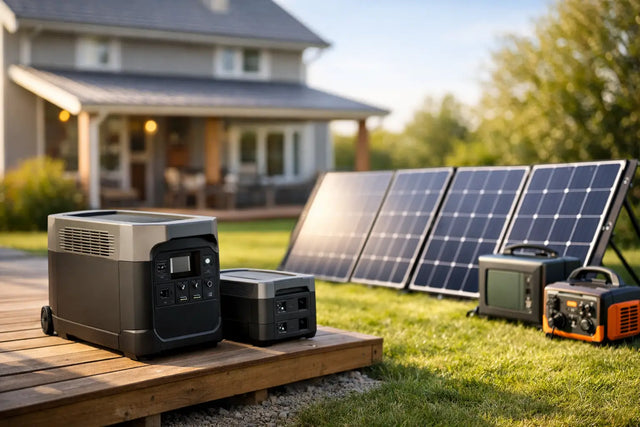
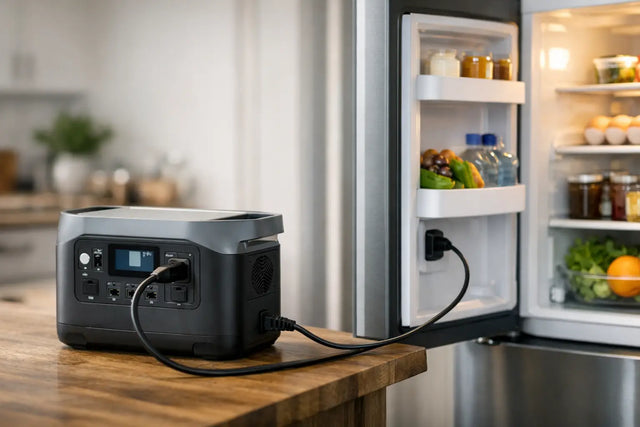
For people in rural areas, this can be a major quality-of-life improvement. If your property already deals with delayed storm recovery or unstable service, a solar generator, battery bank, or portable power setup can turn an unreliable situation into a manageable one. Even a partial off-grid system can keep essentials running, including refrigeration, lights, communications, and small appliances.
Independence does come with responsibility. You need to size your system correctly, understand your load, and plan for weather conditions. But that trade-off is exactly what appeals to many people. You are not waiting on someone else to restore your power.
2. Better protection during outages and emergencies
Preparedness is one of the most practical benefits of off grid living, especially for families who want more than a basic emergency kit. Food storage helps, but if you cannot power devices, charge phones, run medical equipment, or maintain safe indoor conditions, an outage gets serious fast.
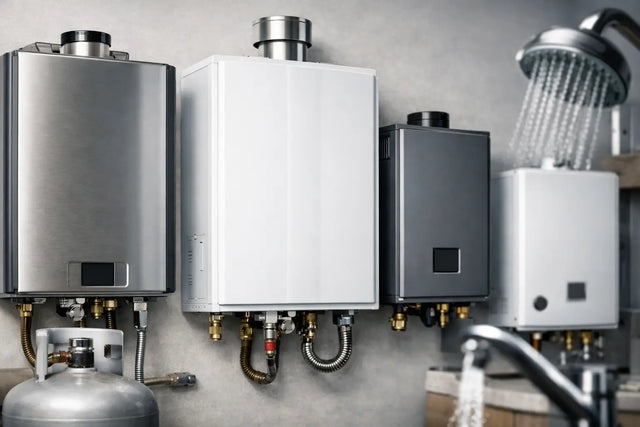
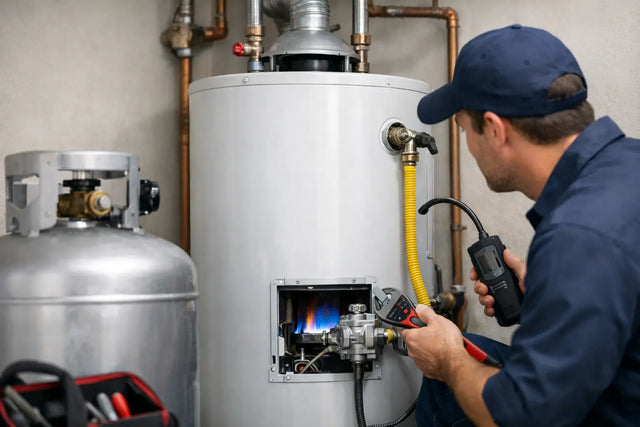
Off-grid infrastructure gives you options. Battery systems can cover short disruptions quietly and without fuel storage concerns. Solar panels can extend runtime during prolonged outages. Propane-powered appliances can handle hot water and other daily needs when electric systems are down.
This is where off-grid living overlaps with emergency readiness. You are not just preparing for a worst-case scenario. You are building a home or property that can keep operating under stress.
3. Lower exposure to rising utility costs
One of the financial benefits of off grid living is insulation from rate hikes. Utility prices do not move in one direction, and homeowners have little control over those increases. Building an off-grid or hybrid system shifts part of that cost structure upfront, where you can evaluate it, budget for it, and choose equipment based on your needs.
That does not mean off-grid living is always cheap. Initial equipment costs can be significant, especially if you are building a whole-home setup. But over time, reducing or replacing monthly utility dependence can create more predictable long-term operating costs.
For cabins, workshops, remote buildings, and seasonal properties, the math can be even stronger. Extending traditional utility service to a remote location is often expensive enough that an independent power system starts to look like the more practical investment.
4. More usable remote property
A piece of land without utility access can feel limited until you add dependable infrastructure. This is one of the less talked-about benefits of off grid living, but it matters for people with hunting land, cabins, rural lots, barns, and outbuildings.
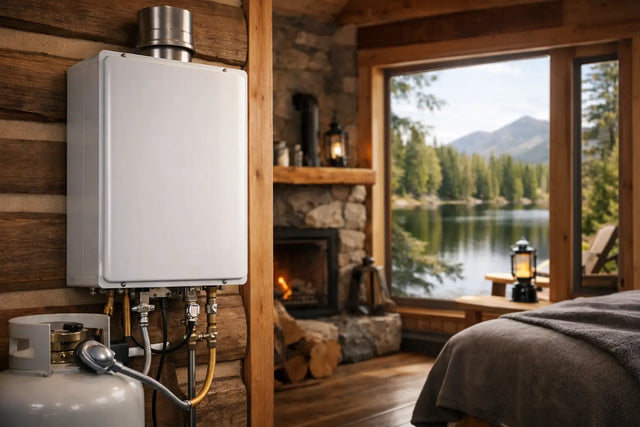
Once you can generate power, store energy, and provide hot water or backup lighting, the property becomes far more useful. You can stay longer, work more comfortably, and support more equipment without treating every visit like roughing it.
That flexibility is valuable whether the property is recreational or part of a long-term living plan. A remote site with reliable systems is easier to maintain, easier to enjoy, and often easier to improve over time.
5. Greater day-to-day self-reliance
There is a practical confidence that comes from knowing your core systems are under your control. Self-reliance is not about doing everything the hard way. It is about reducing single points of failure.
With the right setup, you can charge tools, power freezers, keep lights on, and maintain basic comfort without depending entirely on outside infrastructure. For some households, that means a mostly off-grid home. For others, it means a hybrid approach where independent systems support the essentials.
That middle ground is worth highlighting. You do not have to choose between full utility dependence and a total off-grid overhaul. Many people get meaningful benefits by covering the loads that matter most first.
6. Quieter, cleaner power options
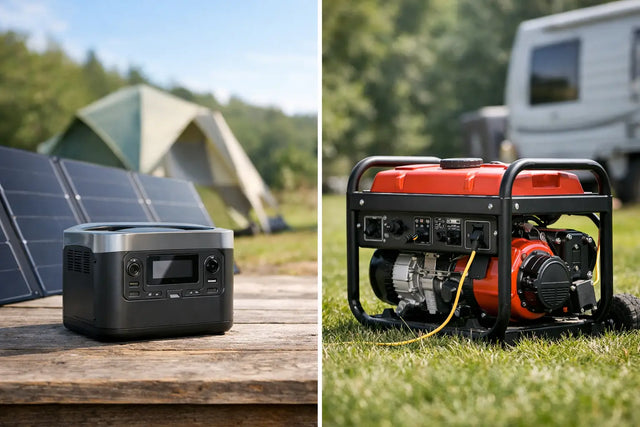
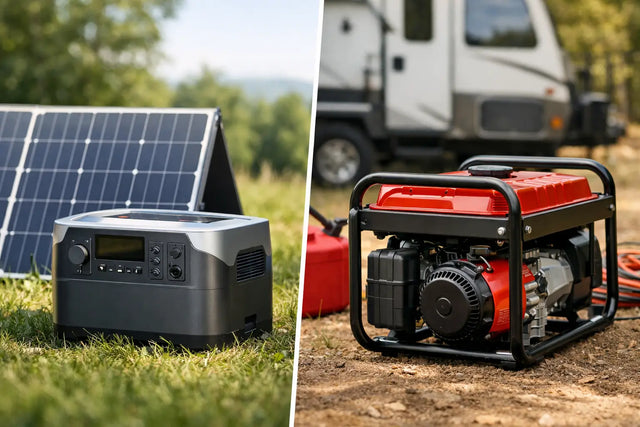
Traditional generators still have a place, especially for high-demand loads and extended backup. But modern off-grid setups have expanded what independent power can look like. Battery-based systems and solar generators offer quieter operation, simpler use, and less routine hassle than fuel-only backup.
That matters for cabins, RV setups, backyard offices, and homes where noise and fumes are a concern. It also matters for people who want a power solution that can be used regularly, not just rolled out during a crisis.
There are trade-offs here too. Battery and solar systems need proper sizing, and some high-draw applications may still require a generator or additional support equipment. But for many users, cleaner and quieter operation makes off-grid power more usable on a daily basis.
7. Better awareness of how your home actually uses energy
One unexpected benefit of going off-grid, or even partly off-grid, is that it forces you to pay attention to energy use in a practical way. Instead of treating electricity as endless, you start looking at what each appliance demands, what runs continuously, and where waste adds up.
That awareness usually leads to smarter decisions. People upgrade inefficient appliances, shift usage patterns, and prioritize systems that deliver the most value. The result is often a setup that feels more intentional and efficient, not more restrictive.
For beginners, this learning curve can feel technical at first. But once you understand your daily loads, system planning gets much easier. You stop guessing and start building around real needs.
8. More flexibility for travel, cabins, and outdoor use
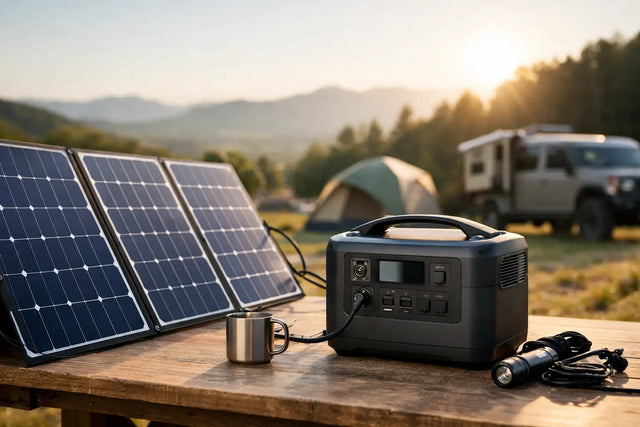
Off-grid equipment is not only for permanent homes. One reason the category keeps growing is that the same core systems work across many use cases. A portable power station that supports emergency backup at home may also be useful for RV travel, camping, job sites, or outdoor events.
That kind of flexibility increases the real-world value of your investment. Instead of buying equipment for one narrow scenario, you can often use it across multiple settings. For people who split time between home, cabin, and road travel, that is a major advantage.
This is also where product quality matters. Reliable components, recognized brands, and support after the sale make a real difference when you depend on the equipment in different environments. That is one reason customers looking for dependable independent-living systems often gravitate toward specialized retailers like Radiant Ridge Supply.
9. Long-term resilience, not just short-term backup
The biggest benefit of off-grid living may be resilience. Backup power helps when something goes wrong. A well-planned off-grid setup changes how vulnerable you are in the first place.
Resilience means your property can absorb disruption without becoming unlivable. It means bad weather, service interruptions, and infrastructure problems do not immediately turn into a crisis. It also means you can scale your setup over time, adding battery capacity, panels, appliances, or water-related systems as your needs change.
That long view is what separates impulse buying from smart planning. Off-grid living works best when it is approached as a system, not a collection of random gear.
Is off-grid living right for everyone?
Not always. The benefits are real, but so are the demands. Off-grid living requires planning, realistic expectations, and a willingness to learn how your equipment works. If you want unlimited power with no attention to usage, a poorly designed system will disappoint you.
It also depends on your property, climate, budget, and goals. A full-time off-grid home in a remote area has very different requirements than a backup power system for a suburban house or a solar setup for a cabin. The right question is not whether off-grid living is universally better. It is whether greater independence, preparedness, and control would improve your situation.
For many people, the answer is yes - and it starts with one reliable system that solves one real problem. From there, self-reliance tends to grow in a practical way.