8 Best Solar Generators for Home Backup
When the power goes out at 2 a.m., specs stop being abstract. What matters is whether your refrigerator stays cold, your sump pump keeps running, and your family has lights, phone charging, and a way to stay informed. That is why shoppers looking for the best solar generators for home backup need more than a generic top-10 list. You need a practical way to match battery capacity, inverter output, charging speed, and expandability to the loads you actually depend on.
For home backup, the right unit is rarely the one with the flashiest marketing. It is the one that fits your outage pattern, your critical appliances, and your budget without leaving major gaps. Some households need a compact system for short blackouts. Others need a larger battery platform that can support refrigeration, medical devices, routers, fans, and selective kitchen use for many hours or even days with solar recharging.
What makes the best solar generators for home backup?
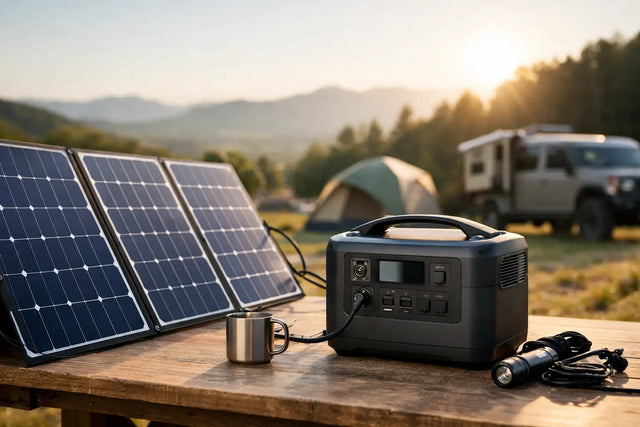
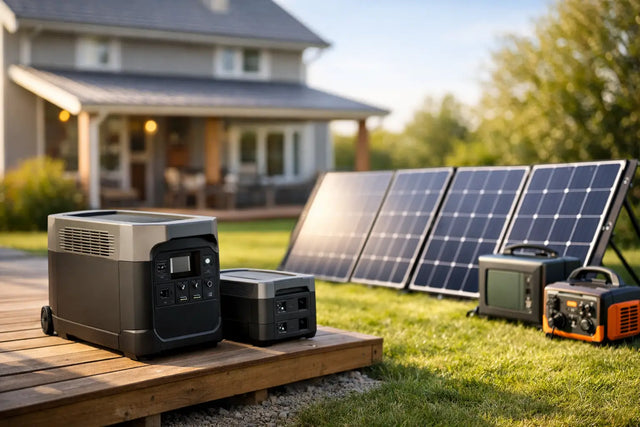
A solar generator for home backup is really a battery power station paired with an inverter and a way to recharge from wall power, solar panels, or sometimes a vehicle or generator. The best option depends on how much energy you need and how much power your appliances demand at one time.
Battery capacity, measured in watt-hours, tells you how long a system can run your loads. Inverter output, measured in watts, tells you what it can power at once. Both matter. A unit with a big battery but low inverter output may run lights and a fridge for a while, but still fail to start a pump or support multiple appliances together. On the other hand, a high-output unit with a small battery may power more devices briefly, then run out faster than expected.
Charging speed matters more than many buyers realize. If outages last several days, a slow-charging battery becomes a bottleneck. Fast AC charging helps you top off before a storm. Strong solar input matters if you plan to recover daily from sunlight rather than from the grid.
Battery chemistry is another key point. Lithium iron phosphate batteries have become the preferred choice for many backup buyers because they typically offer longer cycle life and better thermal stability than older lithium-ion options. They are often heavier, but for home backup, that is usually a fair trade.
8 strong options to consider
1. Small emergency backup stations
If your main goal is keeping phones, lights, laptops, a modem, and a CPAP running, a smaller solar generator can make sense. These units are easier to move, charge quickly, and cost less upfront. They are not a whole-home answer, but they can cover the essentials during short outages.
This category works well for apartment dwellers, storm kits, and households that already have another backup source for larger loads. The trade-off is obvious: once you add a refrigerator, freezer, or microwave, these systems reach their limits fast.
2. Mid-size units for core essentials
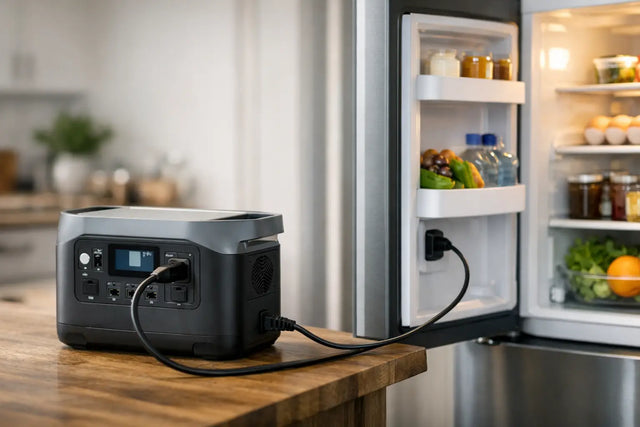
For many households, this is the sweet spot. A mid-size solar generator can usually support a refrigerator, internet equipment, lights, device charging, and some intermittent kitchen or medical loads. If you rotate appliance use carefully, this tier often delivers the best balance of price, runtime, and practicality.
These are often the best solar generators for home backup if you want real resilience without stepping into a large, semi-permanent battery setup. You still need to watch surge demands and total runtime, but this class is often enough for the most common outage scenarios.
3. Large-capacity systems for longer outages
If you live in an area with frequent storms, wildfire shutoffs, or extended grid instability, larger systems start to look less like a luxury and more like a practical investment. These models offer enough storage to carry multiple essential circuits or a larger group of plug-in appliances for much longer.
They also tend to include stronger inverters, faster charging, and better expansion paths. The higher price is the main barrier, but if your backup plan needs to cover refrigeration, a freezer, fans, communications, work-from-home gear, and selective cooking, larger capacity pays off in usable runtime.
4. Expandable battery platforms
Expandable systems deserve special attention because home backup needs change. You may start with refrigerator backup and later decide you want coverage for a sump pump, chest freezer, or overnight heating support for a pellet stove fan and blower controls.
An expandable platform lets you add battery modules over time instead of replacing your original purchase. That can be a smarter long-term path, especially for preparedness-minded buyers who want to build a more capable system in stages.
5. High-solar-input models
Some buyers are less concerned with one-night outages and more concerned with staying powered through a multi-day disruption. For them, solar input becomes a deciding factor. A unit that accepts substantial solar wattage can recover much faster during daylight hours, assuming you have adequate panel space and decent sun.
This matters for rural homes, cabins, and anyone planning for longer emergencies. A battery is only as useful as your ability to refill it.
6. Home integration-ready systems
Some solar generators are built for a simpler plug-and-play experience, while others are better suited for integration with transfer switches, manual inlet setups, or dedicated home backup circuits. If you want a cleaner, more organized backup plan, this category is worth considering.
It is not the right choice for every buyer. Installation planning adds cost and complexity. But if you know exactly which circuits matter most, a more integrated setup can be safer, easier to use, and less stressful during an outage.
7. Portable heavy-duty units
There is also a category of larger but still movable systems that bridge home backup and outdoor utility. These can be rolled into place when needed, used for RV trips or job sites, and brought back for home emergency use.
That flexibility is appealing if you want one investment to cover multiple roles. The compromise is that truly portable units may not match the expandability or integration options of more dedicated home-backup platforms.
8. Budget-conscious backup options
Not every buyer needs maximum runtime. If your goal is to get through occasional outages with lights, communications, and a few small appliances, an entry-level or budget mid-size model may be the right call.
The key is honesty about expectations. Lower-cost units can be dependable, but they are best when matched to a narrow list of critical loads. Buying a smaller system that clearly fits your needs is better than overestimating what a bargain unit can do.
How to choose the right size for your home
Start with the appliances you consider non-negotiable. For most homes, that means a refrigerator, freezer, phone charging, lights, internet equipment, and perhaps a sump pump, CPAP, or medical device. Then look at both running watts and surge watts. Motors and compressors often need extra power at startup.
Next, estimate runtime. A 2,000 watt-hour battery does not mean every 2,000-watt appliance runs for a full hour in real-world conditions. Inverter losses and cycling loads change the math. Refrigerators turn on and off. Microwaves draw heavy power but only for short periods. Space heaters and electric dryers are usually poor matches for battery backup because they drain storage quickly.
If your outage plan includes heating or cooling, focus on selective use. A fan is realistic. A central air system usually is not. Some mini-splits may work with the right high-capacity setup, but that is where careful load planning becomes essential.
What most buyers get wrong
The most common mistake is shopping by battery size alone. Big capacity looks reassuring, but if inverter output is too low, you may still be unable to run what matters. The second mistake is underestimating recharge. A great backup system can still disappoint if it takes too long to refill between outages or between cloudy days.
Another issue is assuming “home backup” means whole-home backup. In most cases, solar generators are best used for critical loads, not every circuit in the house. That is not a weakness. It is the practical way to get dependable emergency power without the cost and complexity of a full standby system.
When a solar generator is the right backup choice
Solar generators make the most sense when you want quiet operation, indoor-safe battery power, low maintenance, and the option to recharge from the sun. They are especially attractive for families who want backup without fuel storage, engine maintenance, or generator noise.
They are also a strong fit for cabins, rural properties, and preparedness setups where flexibility matters. A well-chosen unit can support outages, camping, RV use, and off-grid tasks from the same investment. For many buyers, that versatility is a major advantage.
If you are comparing recognized brands and practical backup options, retailers focused on preparedness and independent living, such as Radiant Ridge Supply, can make the process easier by narrowing the field to systems that actually fit real-world resilience needs.
The best system is the one you will trust before the storm, not the one you second-guess when the lights go out. Choose for your essential loads, leave room for growth if you need it, and build your backup plan around what keeps your home steady when the grid does not.