Portable Power Station vs Generator
When the lights go out, the question is rarely whether you need backup power. The real question is portable power station vs generator - which one will actually keep your household, cabin, RV, or worksite running the way you need it to?
That choice matters more than most buyers expect. A battery-based power station can be quiet, clean, and easy to use indoors. A fuel-powered generator can deliver far more wattage for longer stretches, especially when heavy loads are involved. Both solve real problems, but they solve different problems well.
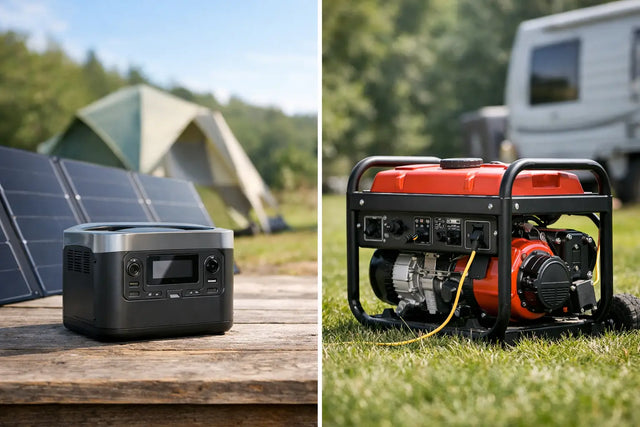
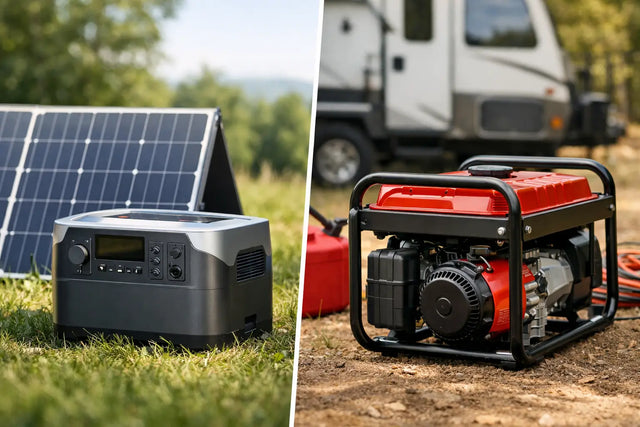
Portable power station vs generator: the core difference
A portable power station stores electricity in a battery and delivers it through outlets, USB ports, and sometimes RV plugs. You recharge it from a wall outlet, a vehicle, or solar panels depending on the model.
A generator creates electricity by burning fuel, usually gasoline, propane, diesel, or dual-fuel combinations. As long as you have fuel and the unit is maintained, it can keep producing power.
That sounds simple, but the difference changes everything from noise level to maintenance to where you can safely use the equipment. If you need something for an apartment, indoor backup, or a quiet campsite, a power station has clear advantages. If you need to run a well pump, central AC, large freezers, or multiple circuits through a long outage, a generator often makes more practical sense.
What a portable power station does best
Portable power stations are built for convenience, cleaner operation, and simpler ownership. They do not require gasoline storage, oil changes, or engine maintenance. For many buyers, that alone is enough to make them appealing.
The biggest advantage is indoor-safe use. Since there is no combustion, there are no exhaust fumes. That makes a battery unit useful in garages, enclosed porches, homes, vans, cabins, and tents where a generator would be unsafe or outright impossible to operate.
They are also much quieter. If you are trying to sleep through a storm outage, keep power in an RV park, or maintain a lower profile at a campsite, the noise difference is not minor. It changes how comfortable the setup is.
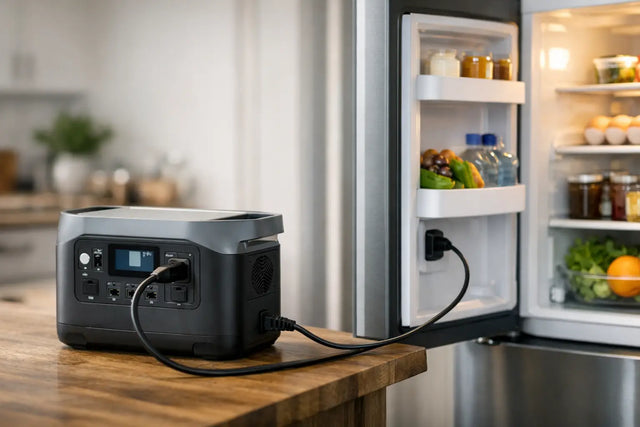
A portable power station also shines when your loads are modest and predictable. Charging phones, laptops, radios, CPAP machines, routers, lights, small fans, televisions, and some compact appliances is often well within its range. Many households use one to keep communications, lighting, and refrigeration covered during shorter outages.
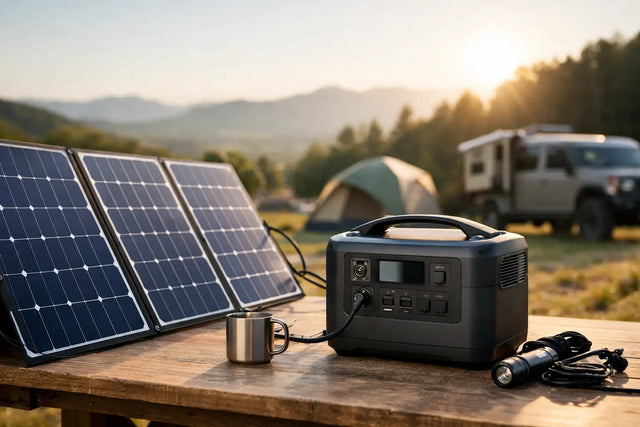
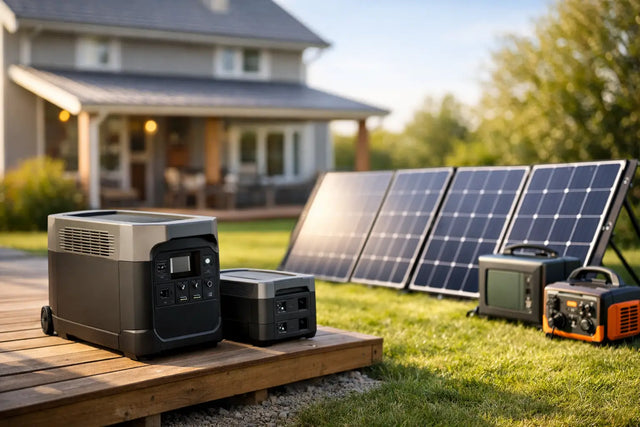
Solar charging is another major benefit. For preparedness-minded buyers and off-grid users, the ability to recharge with panels can reduce fuel dependence and create a more sustainable backup plan. That does not mean endless free power in every condition. Solar input depends on panel size, weather, and available sunlight. Still, for long-term resilience, it is a real advantage.
Where generators still win
Generators remain the stronger option when raw output and extended runtime matter most. If your goal is to run high-draw appliances or support larger parts of a home, a generator usually provides more headroom.
Starting surges are a good example. Equipment like refrigerators, sump pumps, air compressors, and well pumps often need extra wattage at startup. A generator is generally better equipped to handle those spikes without careful load management.
Runtime is another reason people still choose fuel-powered systems. A battery eventually empties and must recharge. A generator can keep going as long as fuel is available. During a multiday outage after a storm, that can be the deciding factor.
Cost per watt can also favor generators, especially at higher power levels. If you compare a battery unit and a generator capable of running heavier household equipment, the generator may deliver more usable output for less upfront money. That does not automatically make it the better value, because fuel, maintenance, and noise all carry a cost too. But if you need serious power, generators often provide it more affordably.
Noise, fuel, and maintenance
This is where the day-to-day ownership experience becomes clear.
A portable power station is close to plug-and-play. Charge it, store it properly, and use it when needed. There may be firmware updates or battery care guidelines, but the maintenance burden is low.
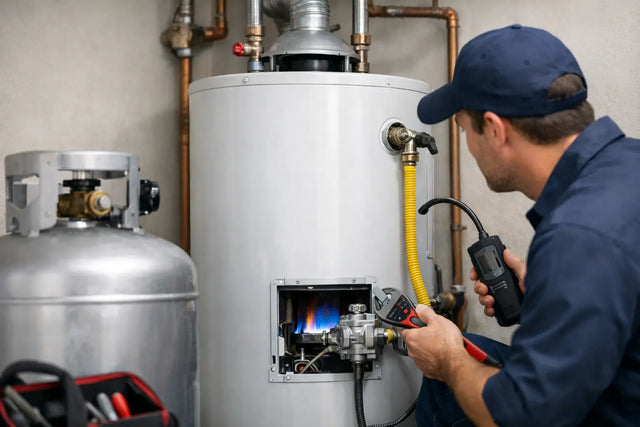
A generator asks more from you. You need fuel on hand, and fuel has storage limits and safety requirements. Gasoline can degrade. Propane storage is easier in some ways, but you still need tanks and a refill plan. Engines also need periodic maintenance, including oil changes, testing, and seasonal readiness checks.
Noise matters too. Even inverter generators, which are quieter than traditional models, are still noticeably louder than battery systems. For some users that is acceptable. For others, especially in residential neighborhoods or camp settings, it is a dealbreaker.
If you want backup power that feels simple and low-stress, a portable power station has the edge. If you are comfortable managing fuel and maintenance in exchange for higher output, a generator remains a dependable tool.
Safety and where you can use them
This is one area where there is less gray area.
Portable power stations are safer for indoor use because they do not produce carbon monoxide. That makes them far more flexible during emergencies. You can keep one nearby and power essentials without running extension cords through windows or setting equipment outside in bad weather.
Generators must be used outdoors with proper distance from doors, windows, and vents. Carbon monoxide risk is serious, and weather protection has to be handled correctly. A generator also introduces hot engine parts, fuel handling, and more moving pieces during stressful situations.
That does not mean generators are unsafe when used correctly. It means they require more discipline and planning. If the likely user is a beginner, an older homeowner, or someone who wants the simplest emergency setup possible, a battery-based option may be easier to live with and use confidently.
Portable power station vs generator for common use cases
For apartment backup, a portable power station is usually the clear winner. It is quiet, indoor-safe, and practical for charging devices, running lights, and powering a few essentials.
For RV travel, it depends on how you camp. If you mostly want quiet power for electronics, lights, and small appliances, a power station fits well. If you need air conditioning or heavier loads for extended periods, a generator may still be necessary.
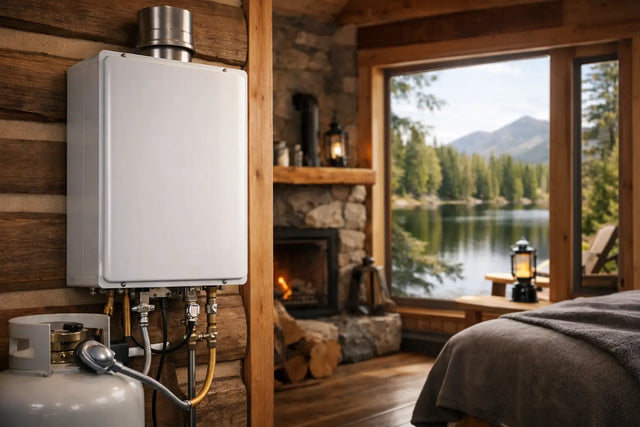
For cabin use, the answer depends on whether the cabin is lightly powered or more like a full-time home. A small off-grid cabin can pair very well with a power station and solar panels. A larger cabin with pumps, heaters, tools, or major appliances may need generator support.
For whole-home emergency backup, generators usually make more sense unless you are investing in a larger battery ecosystem with expansion capacity. A small portable power station is excellent for essentials, but it is not a substitute for a dedicated high-output home backup setup.
For camping and tailgating, power stations are often the better fit because they are quieter, cleaner, and easier to transport and operate around people.
How to choose without overbuying
The best way to decide is to start with your loads, not the marketing.
Look at what you actually need to run. A phone and a flashlight are one category. A refrigerator, microwave, medical device, and sump pump are another. Add up running watts, then account for startup surges where applicable. If you skip this step, it is easy to buy a unit that looks capable on paper but falls short in real use.
Next, think about outage length. If your power usually comes back in a few hours, a portable power station may cover what matters most. If you live in a storm-prone area where outages can stretch into days, fuel availability and long runtime start to matter more.
Then consider your environment. If you are in a suburban neighborhood, an apartment, or a place where quiet operation matters, a battery system can be the more practical choice even if it offers less output. If you are on rural property and need to keep larger systems operating, a generator may be the better fit.
Finally, think about your tolerance for maintenance. Some buyers want a dependable tool they can test occasionally and trust. Others do not want to think about fuel stabilizer, carburetors, oil, or pull starts. That preference is not trivial. It affects whether your backup system will actually be ready when you need it.
The answer is often both
For many preparedness-minded households, the smartest answer is not portable power station vs generator as an either-or decision. It is using each where it performs best.
A generator can provide the heavy lifting during a long outage. A portable power station can handle indoor essentials, overnight use, quiet hours, electronics, and solar-supported charging. That combination gives you flexibility instead of forcing one machine to do every job.
Radiant Ridge Supply serves customers who are building that kind of practical resilience - not just buying gear, but choosing power systems that match real conditions and real needs. If you approach the decision with honest load planning and a clear picture of how you live, the right choice gets a lot easier.
The best backup power setup is the one you can use safely, maintain confidently, and count on when the grid stops cooperating.