Solar Generators: What to Know Before You Buy
When the power goes out, most people find out very quickly whether their backup plan is real or just a good intention. Solar generators have become a practical answer for homeowners, cabin owners, RV travelers, and preparedness-minded families who want dependable power without fuel storage, engine noise, or constant maintenance.
That appeal is easy to understand. A good unit can keep essentials running during an outage, support daily use in a remote space, or give you portable power where extension cords and gas cans do not make sense. But not all systems are built for the same job, and buying too small or too complicated can leave you frustrated when you need power most.
Why solar generators matter
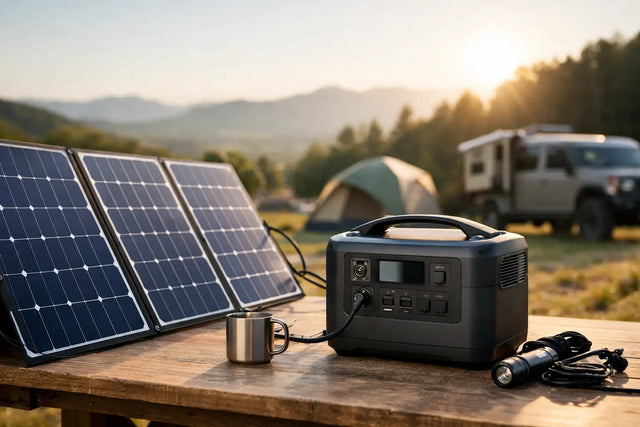
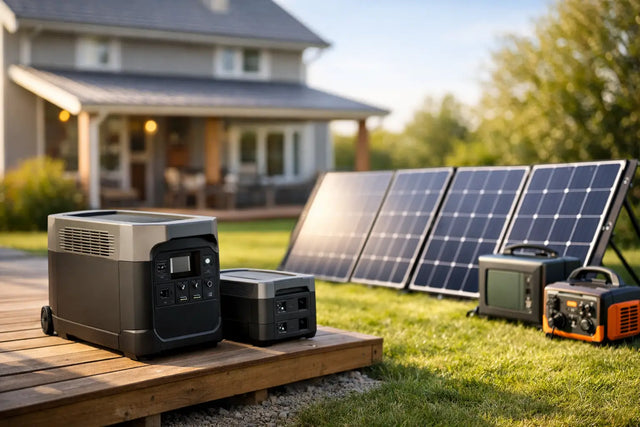
At a basic level, solar generators store electricity in a battery and let you use that power through AC outlets, USB ports, or DC connections. When paired with solar panels, they can recharge from sunlight instead of relying only on a wall outlet or vehicle charging. That makes them especially useful for people who want more independence from the grid.
For emergency preparedness, the biggest advantage is simplicity. You do not need to keep gasoline on hand, rotate fuel, or start an engine in bad weather. For cabins, workshops, and RV setups, they offer quiet operation and low maintenance. For everyday homeowners, they can cover the gap between doing nothing and investing in a permanent whole-home backup system.
There is a trade-off, though. Solar generators are not magic boxes that run everything forever. Their usefulness depends on battery capacity, inverter output, recharge speed, and how realistic you are about your power needs.
What solar generators can realistically power
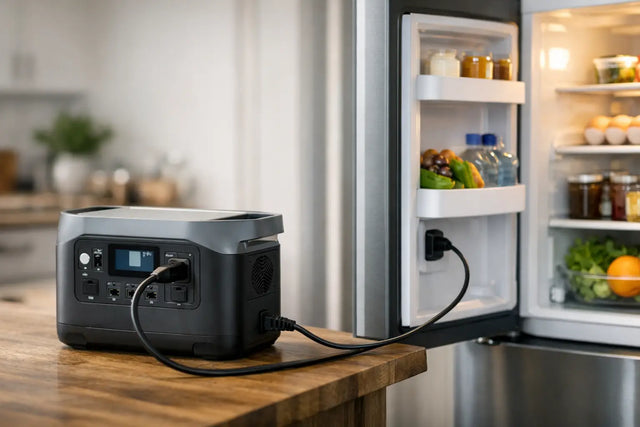
This is where many buyers get tripped up. A solar generator might be perfect for charging phones, running lights, powering a router, and keeping a small fridge cold. That same unit may struggle with a space heater, central air system, or well pump.
The difference comes down to two numbers. Battery capacity, usually shown in watt-hours, tells you how much energy the unit can store. Inverter output, shown in watts, tells you how much power it can deliver at one time. You need both numbers to match your use case.
A smaller portable system is often enough for short outages, camping, tailgating, and light-duty backup. Mid-size units fit more serious needs such as refrigerators, medical devices, power tools, and longer emergency use. Larger expandable systems are better suited to cabins, off-grid living, home backup circuits, and users who want to run multiple appliances for extended periods.
The practical question is not, "Can this run my house?" It is, "What do I need running, for how long, and how often can I recharge?"
How to choose solar generators for your setup
If you are shopping with preparedness in mind, start with your non-negotiables. For many households, that means refrigeration, communication devices, lights, and maybe a fan or CPAP machine. If you live rurally, your list might also include a modem, security equipment, or a small freezer. For cabin owners, it may be lighting, charging, and water-related equipment. For RV users, it often includes a mix of appliances, electronics, and convenience items.
Start with your essential loads
Write down the devices you truly need, not the ones that would just be nice to have. Check their running wattage and, if relevant, their startup surge. Refrigerators, pumps, and power tools often need more power to start than to keep running.
This matters because a generator can have enough battery capacity for a long runtime but still fail if the inverter cannot handle the surge. On the other hand, a powerful inverter does not help much if the battery is too small to keep your gear running for the duration you expect.
Think about runtime, not just power
A lot of buyers focus on the headline watt rating and overlook how long the unit will last under load. If a system powers your refrigerator for only a few hours before it needs recharging, that may be fine for a short outage and not nearly enough for a two-day storm event.
Runtime depends on the appliance, ambient conditions, and how often the device cycles on and off. It also depends on losses from the inverter and battery system. Real-world performance is usually lower than the most optimistic marketing examples, so it is smart to leave room in your calculations.
Consider how you will recharge
Wall charging is the fastest and easiest starting point, but it does not help much during a long outage once the battery is drained. Solar charging adds resilience, but solar input speed varies widely based on panel size, weather, season, and panel positioning.
If your plan is to use solar generators as part of a serious backup strategy, recharge time matters as much as stored energy. A unit that takes all day to recover from overnight use may work for light loads and mild weather. It may not be enough if you are running critical devices through a stormy week.
Battery type, portability, and expandability
Battery chemistry affects lifespan, weight, and long-term value. Many buyers now prefer lithium iron phosphate batteries because they generally offer better cycle life, strong safety characteristics, and more dependable long-term performance than older battery types. They can cost more upfront, but for frequent use or emergency planning, that added durability is often worth it.
Weight is another real-world factor. Some solar generators are easy to move from room to room or load into an RV. Others are technically portable but heavy enough that you will not want to carry them often. If you expect to use the unit in multiple places, handles, wheels, and overall form factor matter more than they seem on a product page.
Expandability can also be the difference between a short-term solution and a system that grows with your needs. Some models allow extra batteries or additional solar input, which is useful if you want to start with a basic setup and build toward more serious backup coverage later.
Where solar generators make the most sense
For homeowners, they are often the right middle ground. You may not need or want the cost and installation of a permanent standby generator, but you still want dependable backup for outages. A well-sized battery system can cover the essentials quietly and without fuel concerns.
For cabins and remote properties, solar generators make sense when power needs are moderate and portability matters. They are especially useful for intermittent occupancy, where low maintenance is a major advantage. Instead of dealing with stale fuel, carburetor issues, and noisy operation, you can keep a battery-based system charged and ready.
For RV users and campers, the appeal is even more straightforward. Quiet power, cleaner operation, and the ability to recharge from solar can make travel more flexible and more comfortable. That said, heavy air conditioning loads still require careful planning, and not every portable system is built for that level of demand.
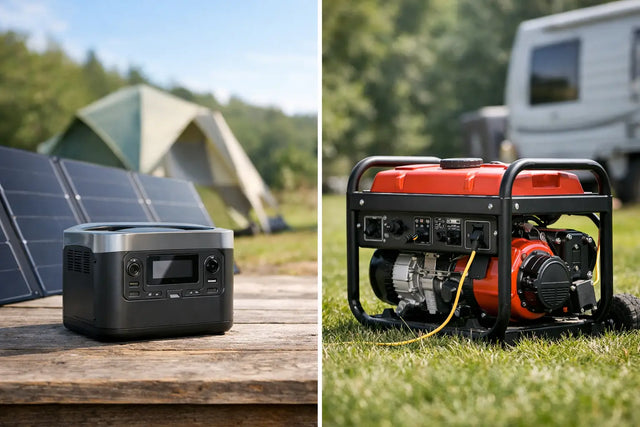
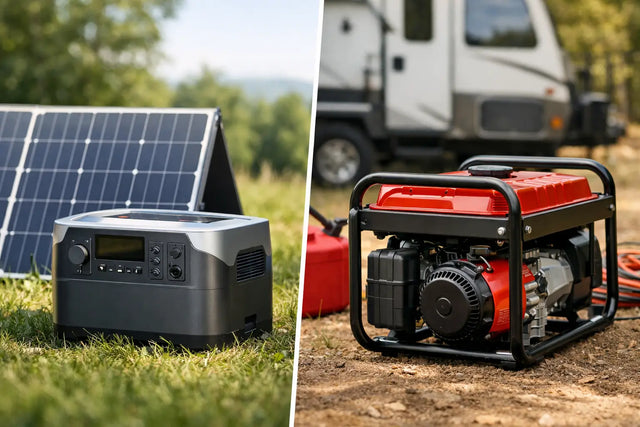
For emergency preparedness, the strongest case is reliability through simplicity. No fuel line, no oil changes, no pull start. That does not mean battery systems replace every gas or propane generator in every scenario. It means they solve a different problem well, especially for indoor-safe backup, overnight use, and households that value quiet operation.
Common buying mistakes to avoid
The first mistake is buying based on marketing language instead of actual specs. Terms like portable, home backup, or off-grid ready can mean very different things depending on the brand and model.
The second is underestimating power draw. A coffee maker, microwave, or heater can drain a battery much faster than expected. If your goal is serious backup, focus on essential circuits and efficient devices before planning around high-draw comfort appliances.
The third is treating solar panels as optional when your outage plan depends on multi-day use. If you only charge from the wall, your backup window ends when the battery does. Solar input is what turns stored power into a more resilient system.
The fourth is ignoring support and product confidence. With equipment tied to emergency readiness and independent living, the buying experience matters. Clear specifications, recognized brands, dependable shipping, and responsive customer support are not extras. They are part of the product decision.
A practical way to buy with confidence
The best solar generators are the ones matched to the way you actually live. If you want light backup for storms, buy for essentials and ease of use. If you are outfitting a cabin or RV, think about recharge options, portability, and daily load patterns. If you are planning for longer disruptions, prioritize battery chemistry, expandability, and realistic solar recovery.
For buyers who value self-reliance, that kind of match matters more than chasing the biggest number on the page. Radiant Ridge Supply serves customers who want dependable equipment, not guesswork, and that is the right mindset for this category. Buy for your real needs, leave room for the unexpected, and choose a system you will trust when the grid stops being reliable.
A good backup power setup should make life simpler when conditions get harder. That is the standard worth buying for.