Solar Generator vs Gas Generator: Which Fits?
When the power goes out at 2 a.m., the real question is not which backup option sounds better on paper. It is which system will actually keep your fridge cold, your phones charged, and your family more comfortable without creating a new problem to manage. That is why the solar generator vs gas generator decision matters so much for homeowners, cabin owners, RV users, and anyone building a more self-reliant setup.
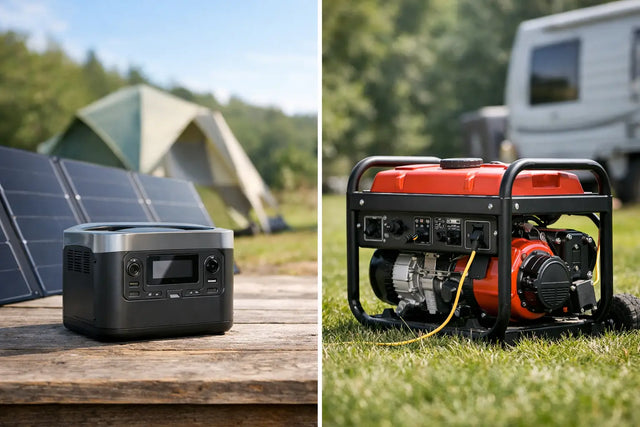
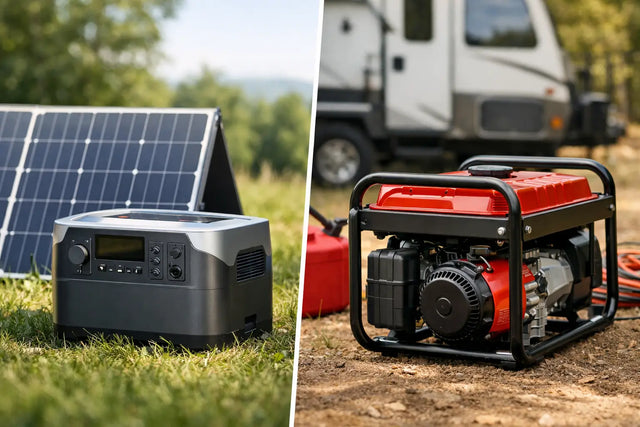
The short answer is this: neither option is automatically better for everyone. A solar generator gives you quiet, low-maintenance power with no gasoline storage and no exhaust fumes. A gas generator gives you strong output and long runtime as long as you have fuel on hand. The right choice depends on how you plan to use it, how much power you need, and how much work you want your backup system to require.
Solar generator vs gas generator for real-world use
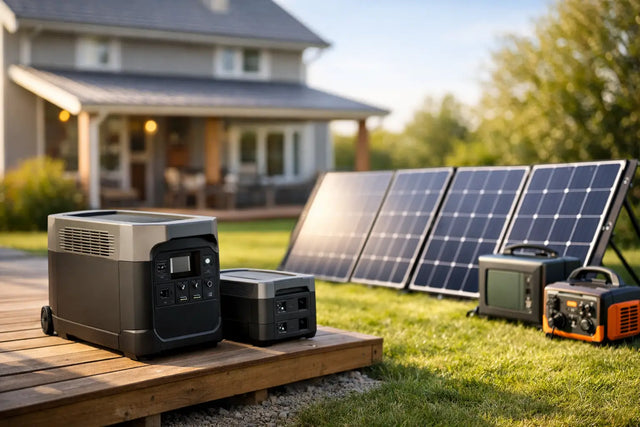
If your main goal is clean, simple backup power for essentials, a solar generator is often the easier fit. It stores electricity in a battery and delivers it through outlets, USB ports, and sometimes higher-output connections for larger appliances. You can recharge it from wall power, solar panels, or in some cases a vehicle.
A gas generator works differently. It burns fuel to create electricity on demand. That usually means more raw power for the price, but it also means noise, engine maintenance, fumes, and fuel management. For some users, those trade-offs are acceptable because they need to run bigger loads for longer stretches.
The decision gets clearer when you stop thinking in categories and start thinking in scenarios. If you want backup power inside the house during a storm, a solar generator has a major advantage because it can run indoors safely. If you need to support a jobsite, a well pump, or several heavy appliances at once, a gas generator may still be the more practical option.
Where solar generators stand out
The biggest strength of a solar generator is convenience. There is no pull cord, no oil change, and no trip to refill a gas can in the middle of bad weather. You charge the unit, store it, and use it when needed. For families who want a backup solution that feels approachable, that simplicity matters.
Noise is another major benefit. Most solar generators operate quietly enough for indoor use, overnight charging, or campsite setups where constant engine noise would be a problem. If you are powering a CPAP machine, lights, a router, laptops, or small kitchen devices, the quiet operation can be just as important as the electricity itself.
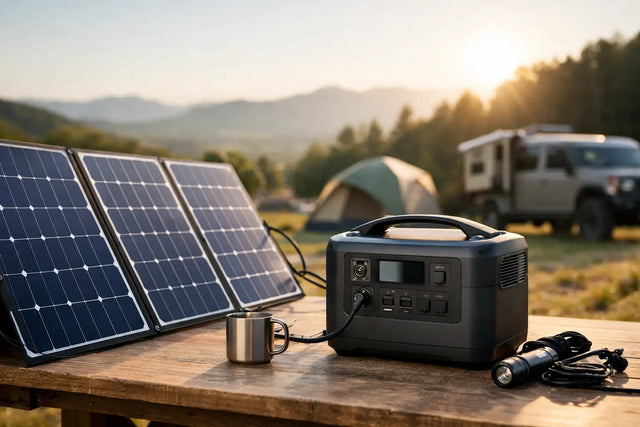
They are also strong candidates for RV travel, cabin use, and outdoor setups where flexibility matters. Pairing a battery power station with solar panels allows you to recharge over time without relying fully on the grid or hauling fuel. That can be a smart fit for people who want a more independent energy setup with fewer moving parts.
The main limitation is capacity. A solar generator is only as useful as its battery size, inverter rating, and recharge plan. Some units can handle a fridge, freezer, lights, and electronics with no issue. Others are better suited for smaller devices and short outages. If you need to run central air, electric water heating, or multiple large appliances at once, many portable battery systems will reach their limits quickly unless you move into a larger, expandable setup.
Where gas generators still make sense
Gas generators remain popular because they can deliver a lot of power quickly. If you are dealing with high-startup loads or you need to support bigger equipment, they often provide more wattage for less upfront cost. That is a real advantage when budget and output are the top priorities.
They also perform well for extended outages if fuel is available. A generator with a full tank and extra gas stored properly can keep running as long as you maintain the fuel supply. For rural properties, storm-prone areas, or worksites where high-demand tools need to stay active, that reliability can be worth the maintenance.
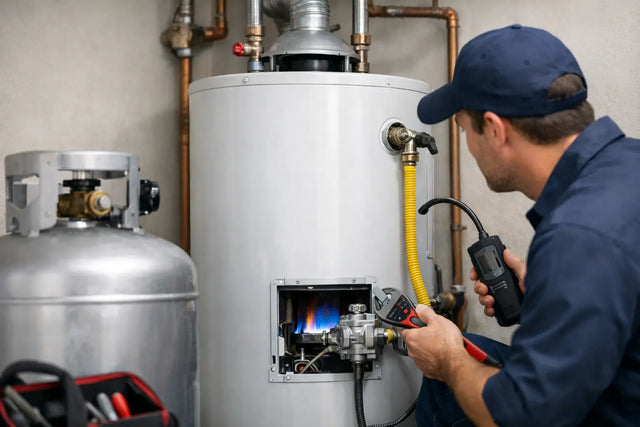
But the trade-offs are not minor. Gas generators are loud. They produce exhaust and must be used outdoors with safe clearance. They require fuel storage, regular maintenance, and periodic testing. If the carburetor gums up or the fuel goes bad, the generator you expected to rely on may not start when you need it most.
That is the part many first-time buyers underestimate. A gas generator is not just a machine you buy. It is a machine you also have to manage.
Cost is more than the price tag
A lot of shoppers compare initial purchase price and stop there. That is understandable, but incomplete.
Gas generators often win on upfront cost for high wattage. If you need significant power at the lowest entry price, gas usually looks attractive. Over time, though, ownership costs add up through gasoline, oil, spark plugs, filters, stabilizer, and routine maintenance. If you use it often, those costs become more noticeable.
A solar generator usually costs more at the start, especially if you add solar panels or choose an expandable battery system. After that, operating costs are much lower. There is no fuel to buy and much less maintenance to keep up with. For customers thinking long term, especially those who expect repeated use during outages, camping, RV travel, or off-grid weekends, that difference can shift the value equation.
This is one of those it-depends decisions. If you need rare emergency use for a few heavy loads, gas may pencil out better. If you want recurring, flexible power with less upkeep, solar can make more financial sense over time.
Power output and runtime: be honest about your loads
This is where the best buying decisions happen. Before choosing between solar and gas, look at what you actually need to run.
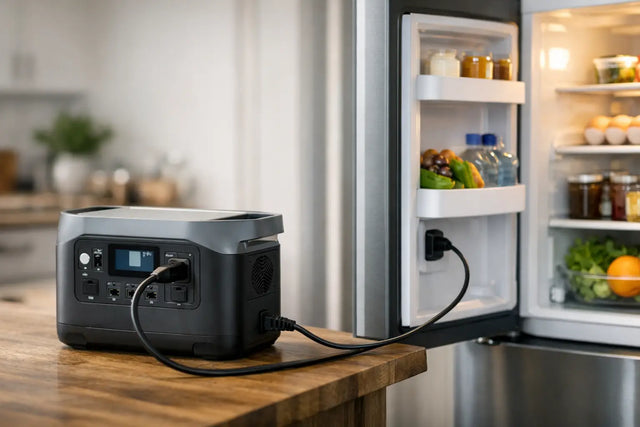
If your priority list is phones, lights, internet equipment, fans, medical devices, and a refrigerator, many solar generator systems can cover that well. If you want to power a microwave occasionally, a coffee maker, or a TV, you may only need to step up to a higher-capacity unit.
If your list includes a deep well pump, large power tools, space heaters, window AC units for long periods, or multiple kitchen appliances at once, gas starts to look stronger unless you are shopping in the larger end of the solar backup market.
Runtime matters too. A gas generator can keep going with refueling, but that assumes fuel remains accessible. A solar generator has finite stored energy, but if outage conditions allow solar recharging, it can extend runtime without trips to the gas station. In a short blackout, battery backup feels easy. In a multiday outage with poor sun and heavy loads, a gas generator can have the edge.
Safety, storage, and everyday practicality
For many households, the solar generator vs gas generator choice comes down to practical safety. A solar generator can be stored inside and used inside. That makes it much easier for apartments, garages, enclosed porches, and family homes where convenience matters.
Gas generators require more care. Carbon monoxide risk is serious. Fuel storage adds another layer of planning. Noise may also affect neighbors, campsites, and overnight use. None of this makes gas generators a bad choice, but it does make them a more hands-on choice.
Preparedness is not just about having power. It is about having power you can deploy quickly, safely, and confidently under stress.
Which option is better for your situation?
For home backup during short outages, a solar generator is often the better fit if your goal is to cover essentials quietly and safely. For cabins and RVs, solar has a strong advantage when you value low noise, easy indoor use, and the ability to recharge from panels.
For high-demand emergency backup, jobsite use, or powering larger equipment, a gas generator still earns its place. It delivers strong output and dependable runtime if you stay ahead of fuel and maintenance.
Some buyers end up with a hybrid approach. They use a solar generator for everyday convenience, indoor backup, and lighter loads, then keep a gas generator for demanding situations. That can be a smart preparedness strategy because it reduces fuel dependence without leaving you short on power when the load increases.
For customers shopping with resilience in mind, the best system is the one that matches your actual habits, not the one with the most dramatic specs. Radiant Ridge Supply serves a lot of people who want dependable power without added guesswork, and that usually starts with being honest about noise tolerance, fuel access, maintenance comfort, and what absolutely needs to stay running when the grid fails.
If you want backup power that is quiet, low-maintenance, and easy to live with, solar is hard to beat. If you need maximum output and long runtime for bigger loads, gas may still be the right tool. Choose the system you will trust, maintain, and actually use before the next outage tests your setup.