Best Solar Generator for Home Backup
When the Best Solar Generator for Home Backup goes out at 2 a.m., the question is not whether you bought backup power. It is whether you bought enough of the right kind. Finding the best solar generator for home backup starts there - not with the biggest battery on the page, but with what you actually need to keep running when the grid goes down.
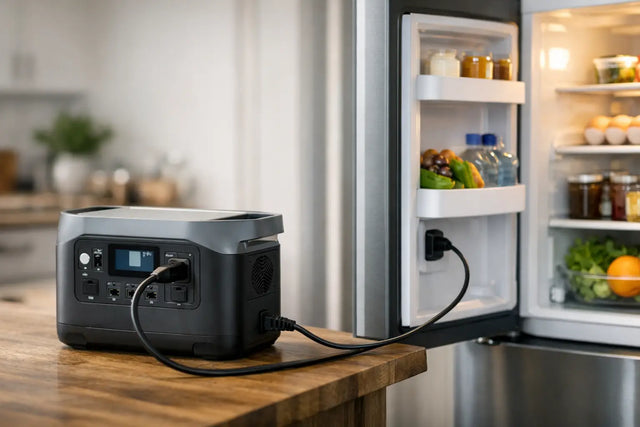
For some households, that means a refrigerator, Wi-Fi router, phones, a few lights, and a CPAP machine. For others, it means adding a Best Solar Generator for Home Backup, sump pump, pellet stove, or home office setup. The right system depends on your outage pattern, your must-run appliances, and how long you expect to be without utility power. A good buying decision is less about hype and more about fit.
What makes the best solar generator for home backup?
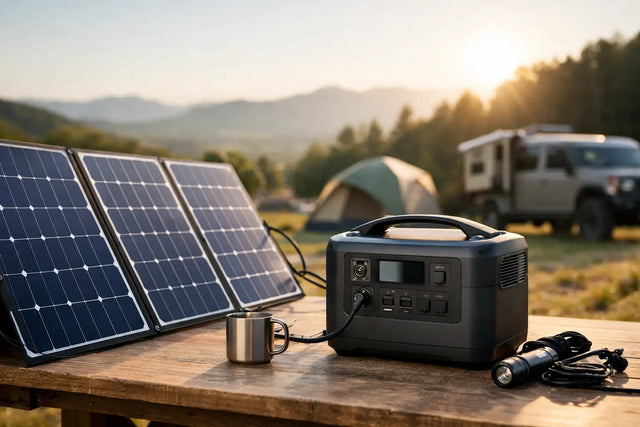
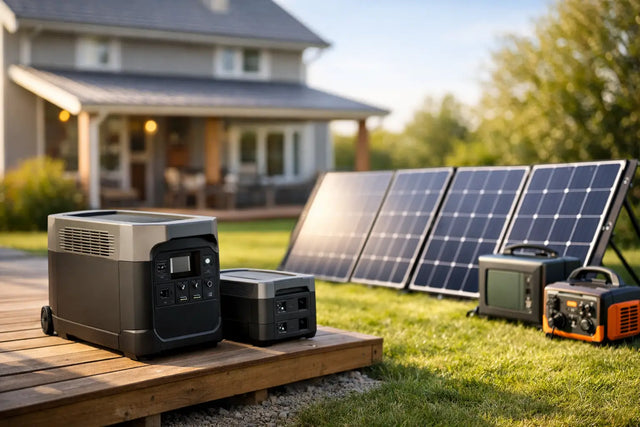
A Best Solar Generator for Home Backup is really a battery power station paired with charging options, often including solar panels and AC wall charging. The best one is the unit that can carry your critical loads safely, recharge fast enough between outages, and expand if your needs grow.
Best Solar Generator for Home Backup is the first number most shoppers notice, and for good reason. Capacity is usually measured in watt-hours. That number tells you how much energy is stored. A 2,000Wh unit can, in simple terms, run a 100-watt load for around 20 hours, though inverter losses and appliance cycling will reduce real-world runtime. If your refrigerator averages 100 to 150 watts over time, that sounds manageable. If you try to run a space heater, microwave, and coffee maker on the same unit, the math changes fast.
Output matters just as much as capacity. Continuous wattage tells you what the unit can run at once. Surge wattage tells you what it can handle when motors kick on. That becomes important for refrigerators, well pumps, and some power tools. A battery with plenty of stored energy can still be a poor fit if the inverter cannot handle startup demand.
Recharge speed is where many buyers either save themselves a lot of frustration or create it. If your area gets short but repeated outages, fast AC recharging can be more useful than squeezing every last watt from a larger but slower system. If you live in a rural area where outages can last days, solar input capacity becomes a bigger deal. A system that accepts more solar wattage can recover faster when the sun is out.
Start with your outage plan, not the product page
The best solar generator for home backup should match a written priority list. That list does not need to be fancy. It just needs to be honest.
Think in three tiers. Tier one is critical survival and safety: refrigeration for medication or food, lights, phones, communications, medical devices, and perhaps a sump pump. Tier two is comfort and function: internet, television, fans, a laptop workstation, or a coffee maker. Tier three is convenience: microwave use, small kitchen appliances, and anything else you can live without for a while.
This matters because backup power gets expensive when you size for everything. Most homeowners are better served by covering critical loads reliably than by chasing whole-home backup with a portable unit. If your goal is to run central air conditioning, electric water heating, or an all-electric range, you are no longer shopping in the same category as someone who just wants to get through a storm outage without losing food and communications.
Battery chemistry changes the value over time
Not all battery systems age the same way. Lithium iron phosphate, often called LiFePO4, has become a strong choice for home backup because it typically offers a longer cycle life and better thermal stability than older lithium-ion chemistries. For preparedness-minded buyers, that matters. A backup system may sit ready for months, then work hard during storm season, then sit again. Durability and predictable performance matter more than flashy app features.
Lead-acid systems still exist and can work in certain budget-focused setups, but they are heavier, less efficient, and generally less appealing for households that want a cleaner, lower-maintenance solution. If you want a system you can store with confidence and use repeatedly over the years, lithium iron phosphate is often the more practical path.
The right size for different homes
A smaller home backup setup, usually around 1,000Wh to 2,000Wh, can make sense for apartment dwellers, condo owners, or homeowners who mainly want emergency basics. This range can support lights, modem and router, phone charging, laptops, and limited refrigerator runtime. It is also easier to move and store.
The mid-range category, roughly 2,000Wh to 4,000Wh, is where many homeowners find the best balance. These systems can often support a refrigerator, freezer for a while, internet, lights, electronics, and selected appliance use. For many families, this is the practical center of the market.
Larger expandable systems above that range are better for households with more demanding loads, longer outage expectations, or plans to integrate multiple solar panels and extra batteries. These setups can get much closer to true resilience, especially in rural areas, cabins, and properties where utility service is less reliable. The trade-off is cost, weight, and setup complexity.
Features that actually matter in an outage
Some features look good in marketing but do very little when the weather turns bad. Others make a real difference.
A clear display is useful because it lets you see input, output, battery percentage, and estimated runtime without guessing. Multiple AC outlets help, but outlet count matters less than total output. Fast wall charging is one of the most practical features for storm-prone areas. Solar charging compatibility matters more if your outages last long enough to need daytime recovery. Expansion batteries are valuable if you want to start with a manageable system and build over time.
An uninterruptible power supply function or fast switchover can be helpful for electronics and office equipment, but it should not distract from the core question of runtime. Wheels and handles are not glamorous, yet they matter if you need to move the unit between rooms, take it to a cabin, or reposition it for charging.
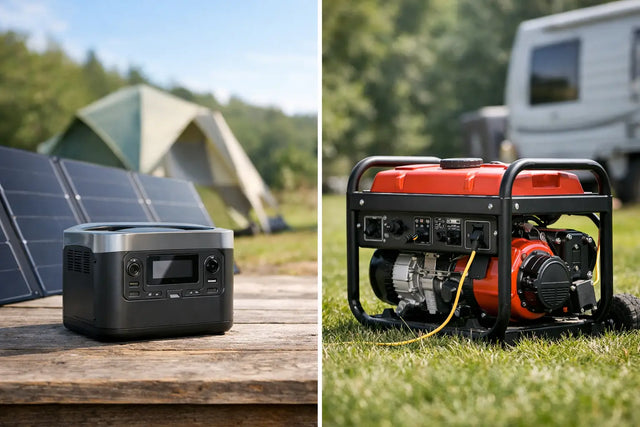
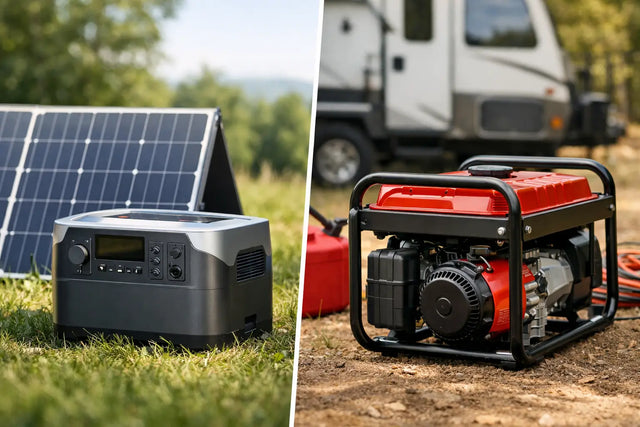
Noise is another real-world factor. A solar generator is usually much quieter than a gas unit, which is a major advantage for indoor use, overnight outages, and neighborhood-friendly preparedness. The trade-off is that most battery systems cannot match the brute-force output of a large fuel generator for heavy 240V loads unless you move into larger modular systems.
Common mistakes buyers make
The first mistake is sizing by fear instead of by load. It is easy to imagine running the entire house, but most portable backup systems are meant for circuits and appliances you choose carefully. A smaller well-matched system often performs better than an oversized purchase that still fails to support your true priorities.
The second mistake is ignoring surge requirements. A refrigerator that looks modest on paper may still trip a unit with weak surge handling. The third is underestimating recharge needs. If you use most of the battery overnight, how will you refill it the next day? Wall charging, car charging, solar array size, and weather all matter.
Another common issue is treating solar panels as optional when planning for multi-day outages. If your backup plan depends on sunshine, make sure the system can actually accept enough solar input to recover meaningfully. A large battery paired with too little panel capacity can leave you waiting.
How to choose with confidence
If you want the best solar generator for home backup, write down the appliances you truly need, estimate how long you need to run them, and compare that to both battery capacity and inverter output. Then look at recharge speed and expansion potential. That order matters.
For short outages and basic needs, a compact power station can be enough. For family homes where food storage, communications, and several comfort items matter, a mid-size or expandable system is usually the stronger investment. For remote properties, cabins, and preparedness-focused households, expandable battery capacity and strong solar input often matter more than portability alone.
Brand reputation, warranty support, and seller reliability should carry real weight too. Backup power is not a novelty purchase. It is infrastructure. Buying from a retailer that focuses on preparedness and independent living, like Radiant Ridge Supply, can make the process more straightforward because the product mix is built around reliability rather than impulse gadgets.
The right system should leave you feeling more prepared, not more confused. If it can keep the essentials running, recharge in a way that fits your location, and grow with your needs, that is usually the better buy than the flashiest model on the market. The best backup power setup is the one you trust before the storm arrives.