Can You Live Completely Off the Grid?
A cCan You Live Completely Off the Grid?, a full water tank, and a charged battery bank looks simple from the outside. The hard part is what keeps it working on a cloudy week, during a winter freeze, or when a pump fails on a Sunday night. If you're asking can you live completely off the grid, the honest answer is yes - but only if your systems are sized, maintained, and backed up for real life.
That matters because off-grid living is not just a location choice. It is an infrastructure choice. You are replacing utility companies with your own equipment, planning, and habits. For some households, that is a smart move toward independence and resilience. For others, a partial off-grid setup or strong backup power system is the better fit.
Can you live completely off the grid year-round?
You can, but the answer depends on climate, local laws, budget, and how much comfort you expect from daily life. A weekend cabin in a mild region is one thing. A full-time family home with well water, refrigeration, heating, laundry, internet, and summer cooling is another.
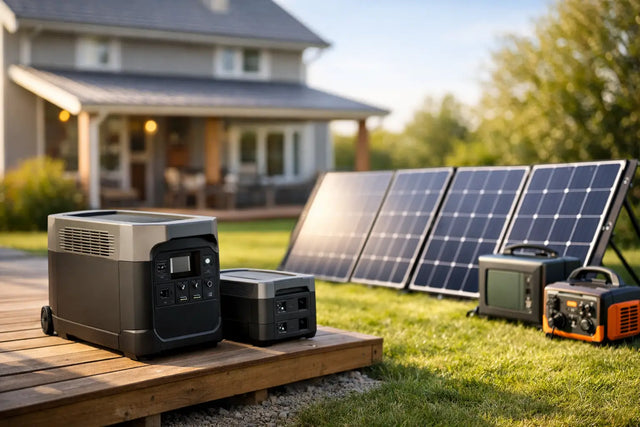
Most people picture solar panels first, and that makes sense. Power is usually the center of the conversation because everything else depends on it. Your water pump, lights, refrigerator, communications, and many heating controls all need dependable electricity. If your power plan is weak, the rest of the setup feels fragile.
That is why fully off-grid homes are built around systems, not single products. Solar panels feed battery storage. Battery storage works with an inverter. Backup generation covers extended storms or heavy use. Water storage protects you from pump downtime. Propane often fills the gaps for hot water, cooking, and heating because using electricity for every load can make a system unnecessarily expensive.
The five systems that make off-grid living possible
A truly off-grid property has to handle power, water, heat, waste, and food storage without depending on public utilities. If one of those areas is weak, daily life gets complicated fast.
Power has to be designed for your worst week
This is where many plans go sideways. People estimate their average use, then buy for sunny conditions and ideal behavior. Real off-grid planning starts with the loads you cannot afford to lose and the periods when solar production drops.
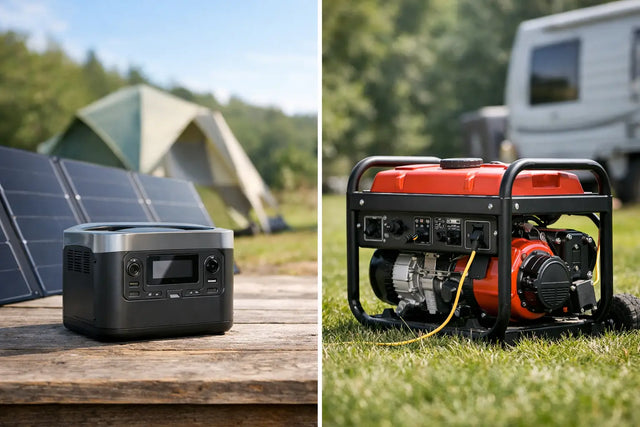
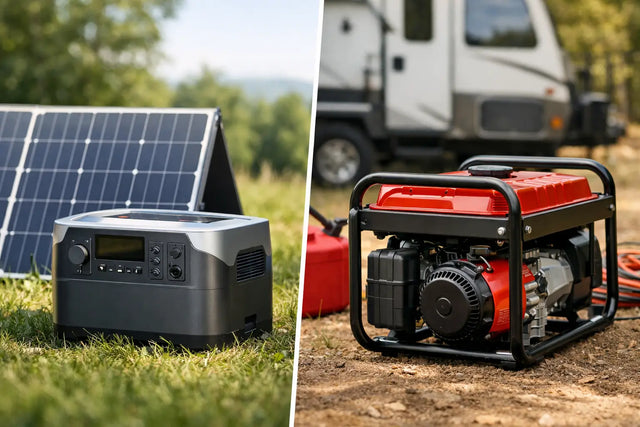
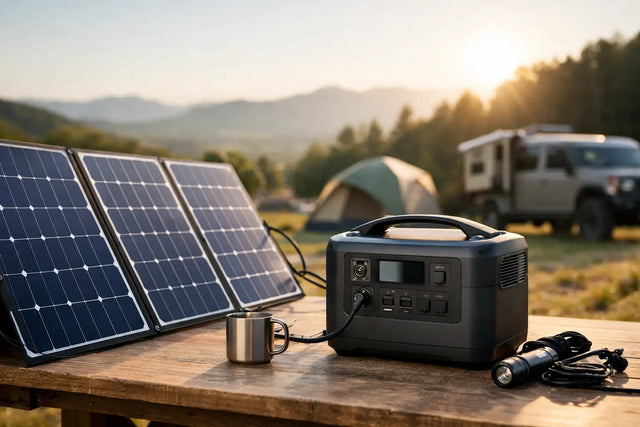
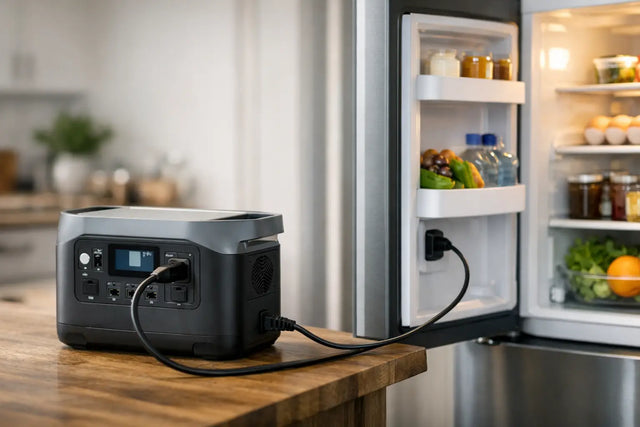
A small cabin may run comfortably on a modest solar generator and a few panels if usage stays limited to lights, device charging, a compact fridge, and occasional appliances. A larger home often needs a serious battery bank, fixed solar array, quality inverter, and some form of generator backup. Air conditioning, electric water heating, resistance heat, and well pumps can change the math quickly.
If your goal is reliable independent living, efficiency matters as much as generation. LED lighting, efficient refrigeration, propane water heating, and smart appliance scheduling reduce the size and cost of the power system you need. That is one reason preparedness-minded buyers often mix solar with propane rather than trying to force electricity to do every job.
Water is usually harder than people expect
No utility bill does not mean no water work. You need a source, a way to move it, a way to store it, and a way to keep it safe.
Some off-grid properties use a well, which can work very well but adds pump dependence and freeze concerns. Others rely on hauled water, rain catchment where allowed, or a combination of sources. In dry regions, water may become the limiting factor long before power does.
Storage helps smooth out the problems. A tank gives you breathing room if a pump quits or a cloudy stretch drains your batteries. Filtration and treatment are also not optional if you want consistent, safe water for drinking, cooking, and bathing.
Heat and hot water need a practical fuel plan
Electric heating is one of the fastest ways to overload an off-grid system. In many climates, it makes more sense to use propane, wood, or another dedicated heat source and save your battery power for essential electrical loads.
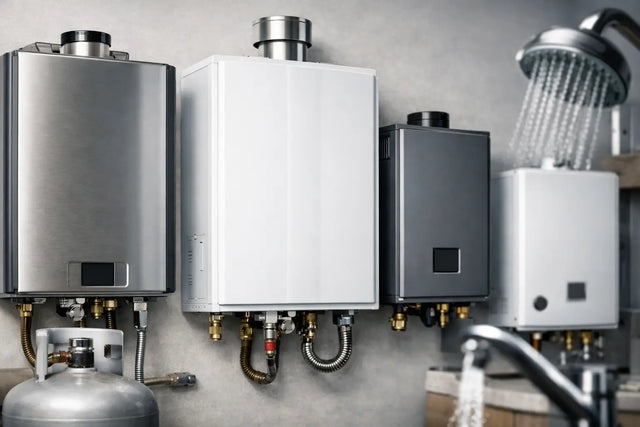
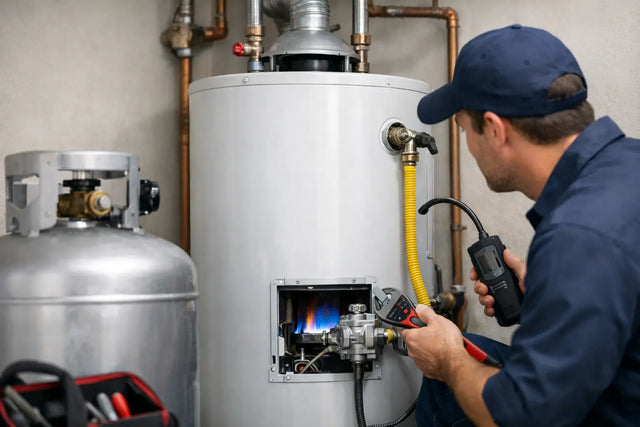
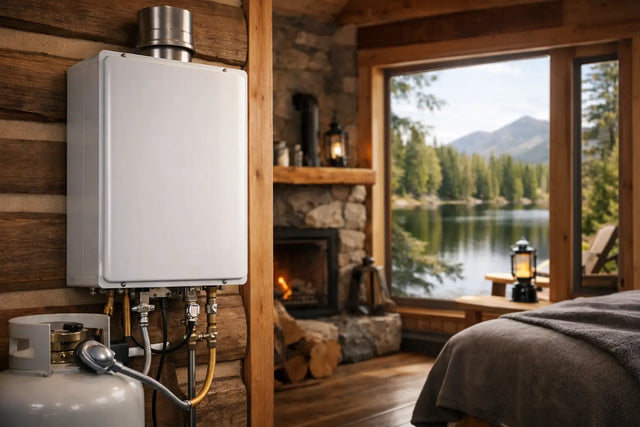
The same goes for hot water. A propane water heater is often a practical off-grid choice because it delivers reliable hot water without putting a large, constant demand on your battery bank. That keeps your energy system focused on the loads that truly need electricity.
Waste handling has to meet local rules
This part gets less attention online than solar panels, but it matters just as much. You may need a septic system, composting toilet, greywater solution, or a permitted combination depending on where the property is located.
Before buying land or converting a structure, check county and state requirements carefully. Some areas are flexible. Others are strict about occupancy, sanitation, and water systems. A property can look perfect for off-grid living until permitting becomes the obstacle.
Food storage changes how independent you really are
You do not need to grow all your own food to live off-grid, but you do need a reliable way to store what you buy or produce. Refrigeration, freezer space, pantry storage, and backup power all affect your margin of safety.
This is one of the biggest differences between a lifestyle fantasy and a workable setup. Real independence usually comes from layered systems - cold storage, shelf-stable goods, backup cooking methods, and enough power reserve to protect essentials during bad weather.
What off-grid life is really like day to day
The biggest adjustment is not roughing it. It is awareness. Grid-tied living lets you ignore where power and water come from until something fails. Off-grid living asks you to pay attention every day.
That does not mean constant stress. A well-built system can feel comfortable and predictable. But you do become more involved. You watch weather patterns. You notice battery levels. You think about seasonal energy use, tank levels, and maintenance schedules.
For many people, that trade-off is worth it. They want less dependence on unstable utilities, more control over outages, and a property that can keep functioning when the grid cannot. For others, the routine feels restrictive, especially if they expect suburban convenience without utility support.
The biggest trade-offs most buyers should know
The freedom is real, but so are the constraints. Up-front costs can be significant because you are buying infrastructure, not just appliances. Maintenance also shifts onto you. Batteries age, pumps fail, panels need inspection, and backup systems need testing.
Weather is another reality check. In sunny seasons, off-grid systems often feel easy. In winter, during smoke events, or through extended storms, your design gets tested. That is why oversized expectations and undersized equipment make such a bad combination.
There is also a middle ground that makes sense for many households. Some people do not need to live completely disconnected every day. They need a home, cabin, or backup setup that keeps critical systems running during outages and reduces grid dependence over time. That approach is often more affordable and easier to maintain while still delivering real resilience.
So, can you live completely off the grid without sacrificing comfort?
Yes, but comfort depends on planning and budget. If you define comfort as lights, refrigeration, communication, hot showers, and dependable heating, that is achievable with the right equipment and realistic load management. If you define comfort as running every high-draw appliance whenever you want, the system becomes larger, more expensive, and more complex.
The practical question is not whether off-grid living is possible. It is whether your setup matches your actual needs. A small, efficient home with strong solar storage, backup generation, water storage, and propane support can feel very capable. A larger property with poor efficiency and no backup margin can feel unreliable even with expensive equipment.
That is where buying decisions matter. Reliable components, recognized brands, and support after the sale make a difference when your power and utility systems are not just conveniences but the backbone of daily life. For buyers building toward energy security, preparedness, or a more independent property, a retailer like Radiant Ridge Supply fits that goal because the focus stays on dependable infrastructure rather than novelty gear.
If you are serious about going off-grid, start by sizing your needs honestly. Look at your essential loads, your water source, your heating fuel, your local code requirements, and how much backup margin you want when conditions are not ideal. The more honest you are on the front end, the more comfortable and dependable off-grid life becomes when it counts.