Off Grid Living List for a Reliable Setup
Off Grid Living List for a Reliable Setup fail - not with gadgets, but with daily needs you cannot skip. If your power is inconsistent, your water storage is too small, or your backup heat depends on one fuel source, off-grid living gets stressful fast. The goal is not to own the most equipment. It is to build a system that keeps working when weather changes, supply runs tighten, or the grid is not an option at all.
For some people, that means a Off Grid Living List for a Reliable Setup. For others, it means a cabin, RV, workshop, hunting property, or backup system for outages. The right list changes with the use case, but the priorities stay the same: dependable power, safe water, workable heat, food storage, and equipment that matches your actual load instead of your ideal scenario.
What to include on an off grid living list
The most useful way to build an off grid living list is by function. Start with the systems you rely on every day, then work outward to comfort, convenience, and redundancy. That keeps spending focused and helps prevent one common mistake - buying pieces that do not work well together.
Power that matches your real usage
Power usually gets the most attention, and for good reason. It affects lighting, refrigeration, charging, communications, tools, fans, pumps, and in some cases heating or cooking support. But the right power setup depends less on what sounds impressive and more on what you truly need to run.
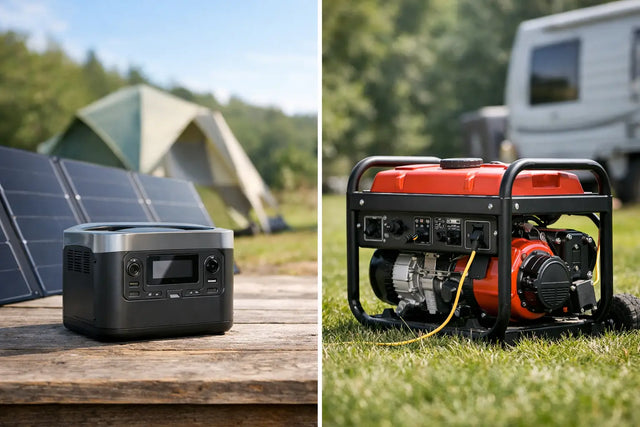
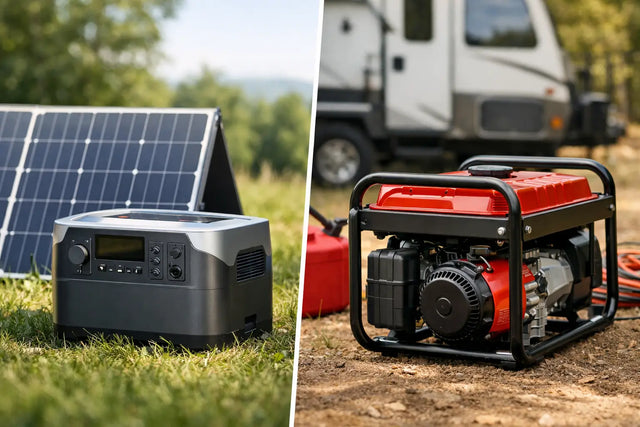
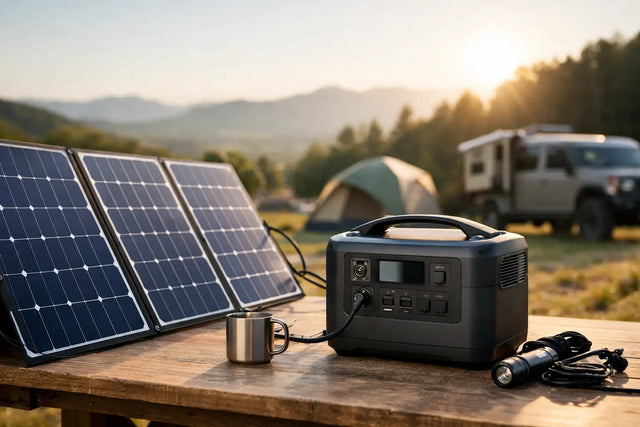
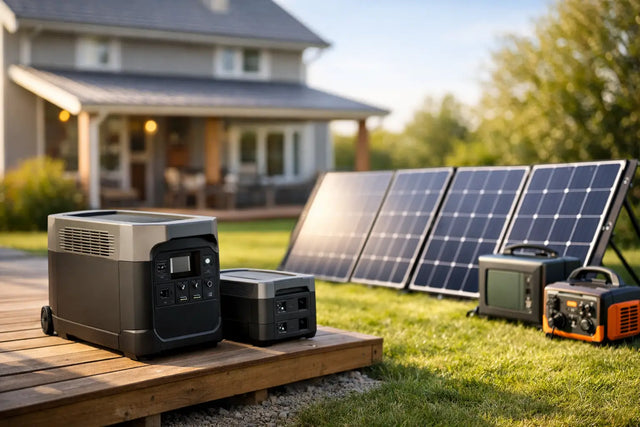
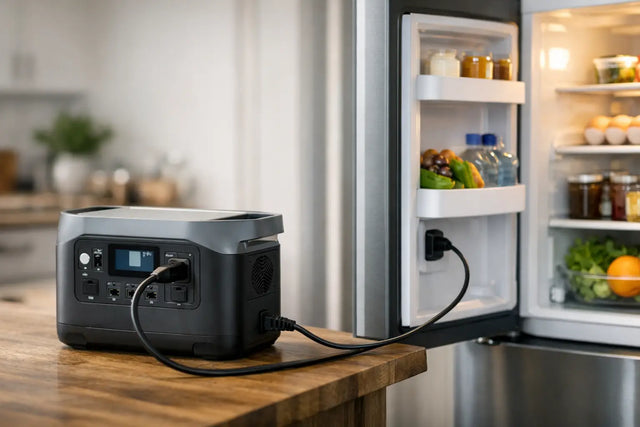
Start with your essential loads. A few LED lights, a small fridge, device charging, a router, and a fan require a very different system than a well pump, power tools, or an RV air conditioner. Portable power systems and solar generators make sense for many buyers because they are easier to install, easier to move, and easier to expand than a fully custom system. They also fit well for cabins, backup power, and phased off-grid builds.
Solar panels belong on the list, but panel wattage alone does not solve the problem. Battery capacity, recharge speed, inverter output, and weather exposure matter just as much. If you expect cloudy stretches, winter conditions, or heavy evening use, your battery bank needs enough reserve to carry those gaps. A small system can work very well, but only if expectations are realistic.
Water supply, filtration, and storage
Power gets the spotlight. Water is what makes a property livable.
Your list should cover where water comes from, how it is moved, how it is cleaned, and how much is stored on-site. A well may give you independence, but it also ties your water access to pump reliability and available power. Rain catchment can help, but storage volume and local regulations matter. Hauled water works in some locations, though it adds ongoing labor and planning.
Filtration and purification should never be treated as optional. Sediment, bacteria, and chemical concerns vary by source, so your water treatment plan needs to match the actual water. Storage is just as practical. If your pump goes down or weather delays access, reserve capacity buys time without turning a small issue into an emergency.
Heating and hot water
Off-grid heating is where many new buyers learn the difference between occasional use and daily use. A cabin that feels fine on a mild weekend can become hard to manage in a cold snap.
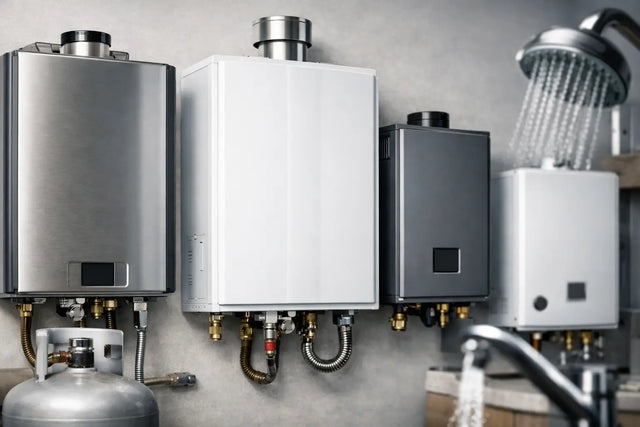
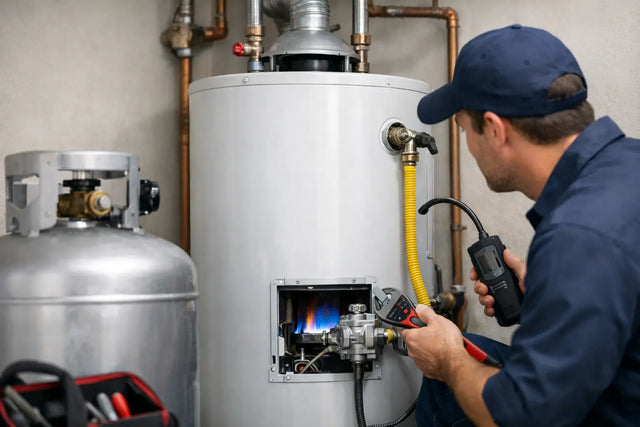
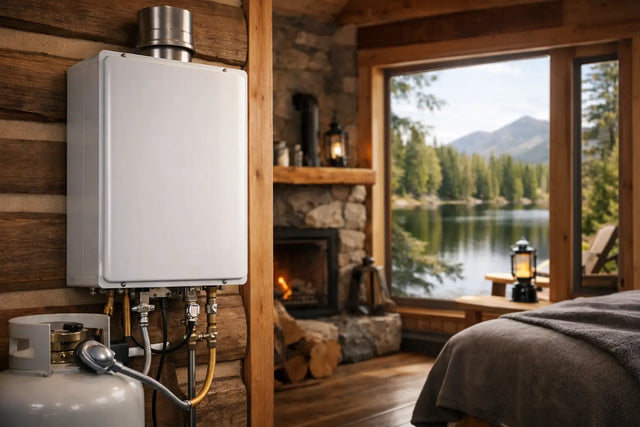
Your list should separate space heating from hot water. Wood heat offers strong independence if you have fuel access, storage space, and the time to manage it. Propane is cleaner and more convenient for many households, especially when paired with dependable appliances. A propane water heater is often one of the most practical additions to an off-grid property because it reduces electrical demand while giving you a predictable hot water supply.
The trade-off is fuel logistics. Propane systems are efficient and reliable, but they depend on tank sizing, refill access, and safe installation. Wood can reduce fuel dependence, but it requires labor, dry storage, and consistent maintenance. In colder regions, many people need a primary heat source and a backup rather than choosing only one.
Shelter, food, and sanitation basics
A strong power system does not fix poor insulation, limited food storage, or weak sanitation planning. Off-grid living works best when the structure itself reduces strain on your utilities.
Weatherproof shelter and insulation
A leaky building increases heating and cooling demands, shortens battery runtime, and makes everyday life harder than it needs to be. Your off grid living list should include sealing, insulation, ventilation, and durable roofing before you spend heavily on oversized power equipment. It is often cheaper to reduce demand than to build a system large enough to waste energy comfortably.
Good windows, controlled airflow, and realistic moisture management all matter. This is especially true for cabins, sheds converted to living space, and seasonal properties that may sit unused for stretches. Small vulnerabilities become bigger problems when service calls and replacement parts are not close by.
Food storage and cooking
Food planning matters more off-grid because power interruptions, weather delays, and long supply runs are part of the equation. Refrigeration helps, but it should not be your only strategy. Shelf-stable storage, freezer planning, dry goods management, and a dependable cooking method all deserve a place on the list.
Cooking can be electric, propane, wood-based, or mixed. The right answer depends on your power budget and how often you cook full meals. Electric cooking on battery power can work, but it can also consume more energy than many smaller systems are designed to handle. Propane is often the more practical route for everyday reliability.
Sanitation and waste handling
This is not the glamorous part of off-grid living, but it is one of the first things that affects comfort. Toilets, gray water handling, bathing, laundry, and trash control need a plan before the property is in regular use.
A simple setup may be enough for weekend use, while full-time living usually requires more permanent solutions. The right approach depends on occupancy, local rules, climate, and available water. What matters is building a system you can maintain consistently without overcomplicating it.
The support equipment people forget
Some of the most important items on an off grid living list are the least exciting. They do not make a setup look impressive, but they keep it functional.
Battery monitors, surge protection, extension management, spare fuses, transfer equipment, hose fittings, mounting hardware, storage bins, fuel containers, fire extinguishers, carbon monoxide detectors, and basic tools all make a difference. If one low-cost part fails and takes down a larger system, the whole setup becomes harder to trust.
Lighting is another overlooked category. Efficient task lighting indoors and motion lighting outdoors improve safety without creating a major power burden. Communications matter too. Charging capability for phones, radios, and emergency devices should be treated as essential, not secondary.
If your property is remote, weather protection deserves extra attention. That can include storm-rated storage, anchored equipment, and in some areas a shelter strategy for severe weather. Preparedness is not about assuming the worst every day. It is about removing obvious points of failure before they cost you comfort, time, or money.
How to prioritize your list without overspending
The best off-grid setup is rarely built all at once. Most people do better by starting with core systems, then adding capacity after real use reveals what is missing.
Begin with what you need to stay safe and functional for 72 hours, then for a week, then for normal routine. That usually means power for essentials, dependable water, a cooking method, sanitation, and weather-appropriate heat. After that, expand around actual habits. If your batteries are constantly running low, you may need more storage or more disciplined usage. If propane refills are difficult, fuel planning may be the issue rather than the appliance.
This is where a practical retailer can make the difference between buying random components and building a dependable system. Radiant Ridge Supply focuses on equipment that supports independent living and emergency readiness, which matters when you are comparing products that need to perform in real conditions, not just on paper.
A final reality check helps. Off-grid living is not always cheaper, easier, or simpler than staying connected to the grid. What it can be is more resilient, more self-directed, and far better prepared for outages and remote-property needs. If your list is built around reliability instead of impulse buys, you end up with a setup you can count on when it matters most.