Off Grid Living Power Solutions That Work
Off Grid Living Power Solutions That Work than any product brochure ever will. When you live beyond the reach of dependable utility service - or you simply want a backup plan that does not fail when the grid does - power stops being an abstract idea. It becomes a daily system that has to carry real loads, in real weather, without excuses.
Off Grid Living Power Solutions That Work. They shop by panel wattage or battery size alone, then wonder why a setup that looked strong on paper struggles through a cloudy week, a cold snap, or a stretch of heavy use. A dependable off-grid power system is not one product. It is a matched combination of generation, storage, conversion, and realistic expectations.
What off grid living power solutions actually need to do
For most households, cabins, RVs, and preparedness setups, the goal is not to power everything exactly as if nothing changed. The goal is to power the right things consistently. That usually means refrigeration, lighting, communications, water pumping, ventilation, device charging, and select cooking or heating support if the system is sized for it.
The practical question is not, "How big of a power station can I buy?" It is, "What must stay on, for how long, and in what conditions?" Once you answer that, the rest gets simpler. You can size a battery bank for overnight needs, choose enough solar input for average recovery, and decide whether you need a generator or propane-based support for bad weather and high-demand periods.
A small weekend cabin and a full-time off-grid home can both use solar and batteries, but the design logic is different. The cabin may tolerate occasional compromises. A full-time home usually cannot. If your water pressure, freezer, internet, medical devices, or security systems depend on power, your margin for error needs to be wider.
The core parts of an off-grid power system
Every reliable setup has the same job, even if the equipment looks different. You need a way to make power, store it, and deliver it safely to the devices you use.
Solar panels are the fuel source for many setups
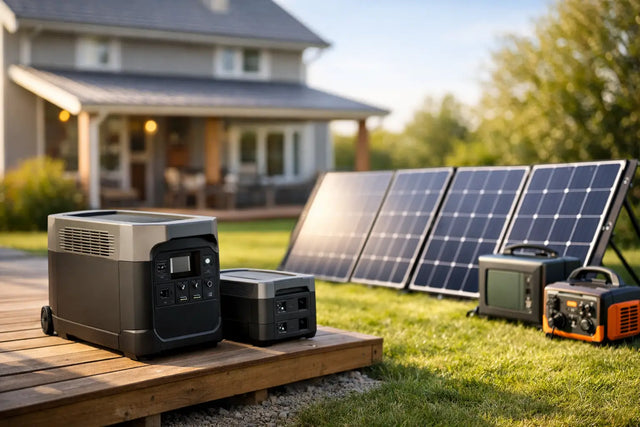
For many customers, solar is the most practical foundation because the energy source is free once the equipment is installed, and it is quiet compared to fuel-powered generation. Panels are especially appealing for cabins, rural properties, barns, sheds, and RV setups where running utility service is expensive or impossible.
But solar output is never the panel label alone. Season, cloud cover, panel angle, heat, shade, and location all affect production. A 400-watt array does not produce 400 watts all day. That is why experienced off-grid users size for real conditions, not best-case numbers.
Battery storage is what keeps life running after sunset
Batteries are the backbone of usable off-grid power. Without them, solar only helps while the sun is actively producing. With them, you can bridge overnight use, absorb daytime production, and keep critical loads running during storms or outages.
Lithium battery systems are popular for good reason. They are lighter, more efficient, and generally more user-friendly than older lead-acid options. Lead-acid still has a place in some budget-conscious or stationary systems, but it usually demands more maintenance and more careful depth-of-discharge planning. The lower upfront cost can be attractive, yet the daily ownership experience is rarely as simple.
Inverters determine what you can actually run
Your batteries store DC power. Most household appliances want AC power. The inverter handles that conversion, and its size matters more than many first-time buyers realize.
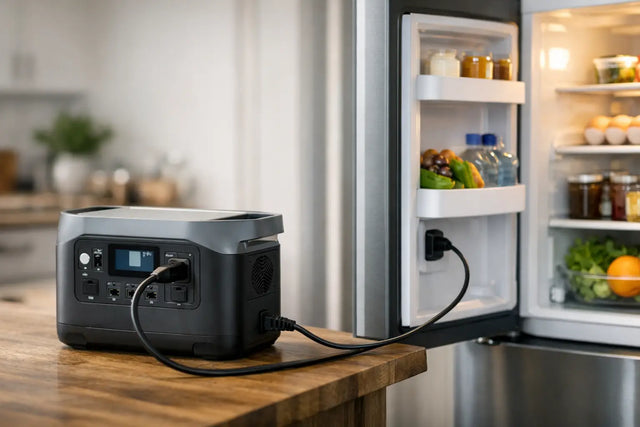
A system can have plenty of battery capacity and still fail to start a refrigerator, well pump, or microwave if the inverter cannot handle startup surge. This is one of the most common sizing mistakes. Running watts matter, but surge capacity matters too.
Charge controllers keep solar charging efficient and safe
In solar-based systems, the charge controller regulates the power moving from panels into the batteries. It protects battery health and helps maximize useful charging. This is not the flashy part of the system, but it is one of the parts that separates stable long-term performance from a setup that ages poorly.
Choosing the right setup for how you actually live
There is no single best answer for off grid living power solutions because use case changes everything. What works for a hunting cabin may be inadequate for a family home. What works for emergency backup may be oversized for occasional recreation.
Small backup and mobile systems
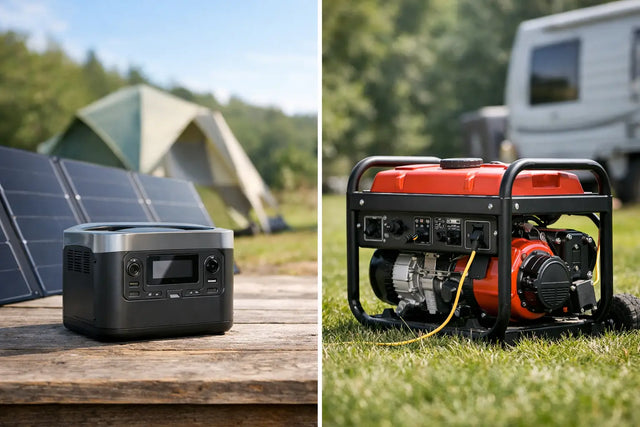
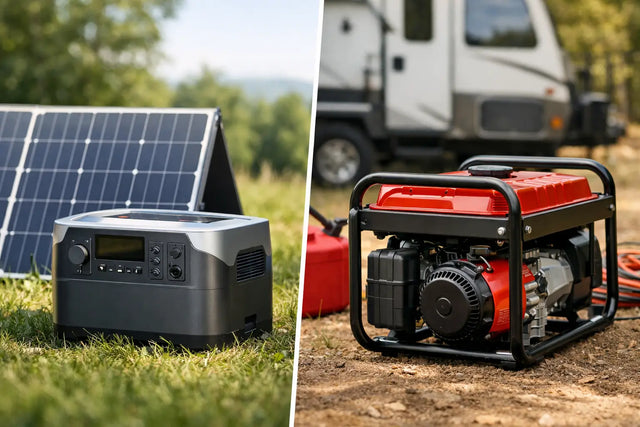
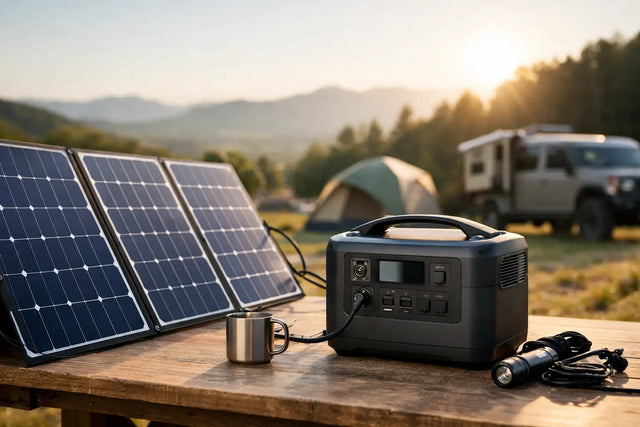
Portable power stations and compact solar generator setups work well for short outages, camping, RV use, mobile work, and light off-grid living. They are often the easiest place to start because they reduce wiring complexity and can power essentials right away.
They are a strong fit if your main priorities are phones, laptops, lights, fans, routers, CPAP machines, and a few kitchen or convenience loads. The trade-off is capacity. Once you move into heavy appliances, electric heating, deep well pumping, or whole-home demands, portable systems can become a supplement instead of the main solution.
Mid-size cabin and preparedness systems
This is where many buyers land. They need more than a weekend gadget, but not a fully engineered large-home system. A mid-size setup can support refrigeration, lighting, communications, TV, security gear, and select appliance use with good management.
This range often makes sense for cabins, tiny homes, backup circuits in a primary residence, detached workshops, and preparedness-minded households building resilience in stages. It gives you meaningful independence without requiring a full redesign of how you use power.
Full-time home systems
A true off-grid home system needs to be built around habits, not hopes. That means measuring daily consumption, identifying peak loads, planning for several low-sun days, and deciding in advance which loads belong on propane or other non-electric systems.
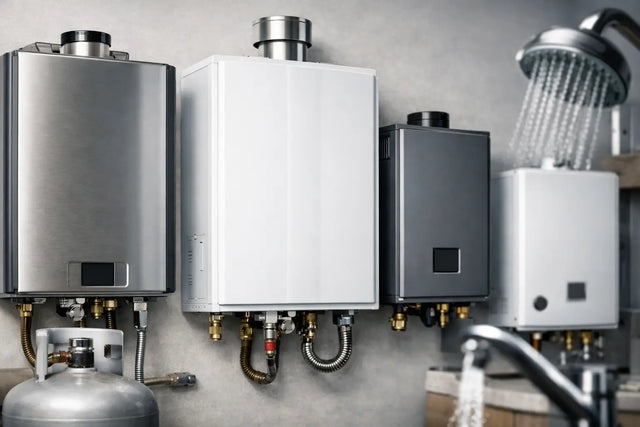
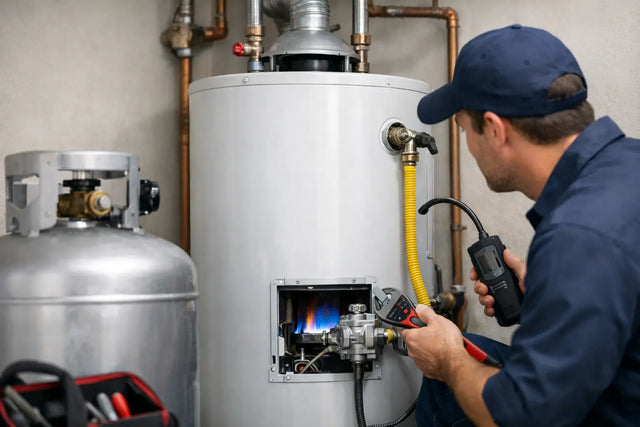
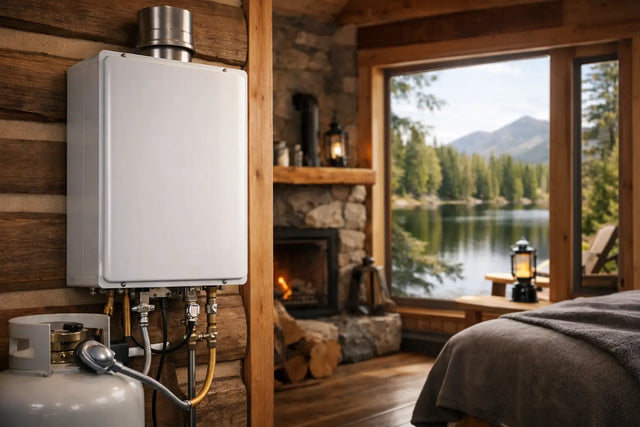
This is where people often save money by not forcing electricity to do every job. Using propane for water heating, cooking, or supplemental heat can reduce the electrical system size dramatically. That often means a more affordable, more dependable overall setup.
The trade-offs that matter most
Solar-plus-battery systems are appealing because they are quiet, low maintenance, and increasingly capable. Still, every off-grid power plan involves trade-offs.
If you want lower upfront cost, you may accept less storage or more manual energy management. If you want more comfort and less compromise, you usually need larger battery reserves, more panel capacity, or backup generation. If you want year-round reliability in a cloudy or snowy region, the system has to be sized for the hard months, not the easy ones.
Weather is one variable you cannot negotiate with. Winter sun hours are shorter. Snow cover can block production. Heat affects panel efficiency. A system that feels oversized in May can feel tight in January. That does not mean solar is the wrong choice. It means the design has to reflect reality.
Why load management is often the real solution
People tend to think the answer is always more battery, more solar, or a bigger inverter. Sometimes it is. But often the better answer is smarter load management.
Swapping an old fridge for an efficient model, using LED lighting, choosing propane for hot water, and avoiding resistance-based electric heating can cut the system size you need by a surprising margin. That lowers cost and improves day-to-day reliability.
The same goes for timing. Running high-draw appliances during peak solar production instead of after dark can reduce battery strain. Off-grid living does not always mean doing without. It often means doing things in a better sequence.
Buying for reliability, not just specs
When comparing products, it is easy to focus only on advertised capacity or price. A better buying approach looks at the whole ownership experience. Battery chemistry, cycle life, inverter quality, expandability, warranty support, and brand reputation all matter when the system is not a luxury item but an essential part of your infrastructure.
Recognized equipment brands and clear customer support matter more in off-grid and preparedness categories than in casual consumer electronics. If a system is powering your cabin in winter, your sump backup during storms, or your communications during an outage, reliability is not a marketing feature. It is the point.
That is also why many buyers prefer to work with a specialist retailer instead of a general marketplace. A focused supplier such as Radiant Ridge Supply makes it easier to compare practical options for real independent-living use, especially when you are balancing solar generators, expandable battery systems, panels, and propane-based support products.
Start with the loads that matter most
The most dependable off-grid setup is usually not the one with the biggest number on the box. It is the one that matches your real energy needs, leaves room for bad weather, and supports the life you are actually living. Start with your must-run loads, size for your conditions, and give yourself honest margin. That approach holds up long after the sales pitch fades.