What Does Off Grid Living Mean?
If you have ever looked at a power outage and thought, I need a better plan than waiting for the utility to fix this, you are already close to the real answer to what does off grid living mean. At its core, off-grid living means operating a home, cabin, RV, or property without depending on public utilities as your primary lifeline. That usually starts with electricity, but it often extends to water, heating, cooking, and waste management too.
A lot of people picture What Does Off Grid Living Mean as a remote cabin in the woods with a few solar panels and a wood stove. That can be part of it, but the reality is broader and more practical. Some people live fully off grid year-round on rural land. Others build partial off-grid systems for backup power, seasonal cabins, workshops, or emergency preparedness. The common thread is independence. You are taking responsibility for the systems that keep daily life running.
What does off grid living mean in practice?
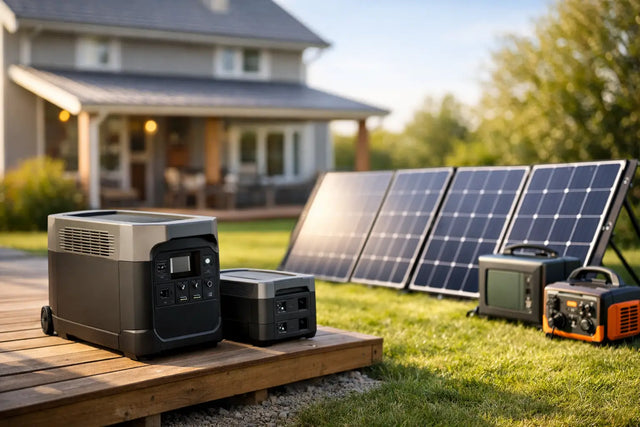
In practical terms, off-grid living means your property can function without being tied to the electrical grid, city water, municipal sewer, or natural gas service. For most people, electricity is the first and biggest piece. Instead of relying on a utility company, you generate and store your own power, often through solar panels paired with battery storage and, in some cases, a generator for backup.
But electricity is only one layer. True off-grid living often includes storing water, collecting rainwater where legal, pumping from a well, heating water with propane or another independent fuel source, and handling waste through septic systems or other approved setups. It can also mean thinking differently about consumption. When you produce your own power and manage your own water, waste matters more because every watt and every gallon has a job to do.
That is why off-grid living is less about a trend and more about infrastructure. It is a system-based way of living where reliability comes from preparation, equipment, and smart use habits rather than default access to public utilities.
Off-grid does not always mean remote or extreme
One of the biggest misconceptions is that off-grid living has to be all or nothing. It does not. Some people choose a fully independent setup because their property is too remote for utility connections to make financial sense. Others want resilience. They may still live in a conventional home but add battery backup, portable power, solar charging, or propane appliances so they are less vulnerable during outages.
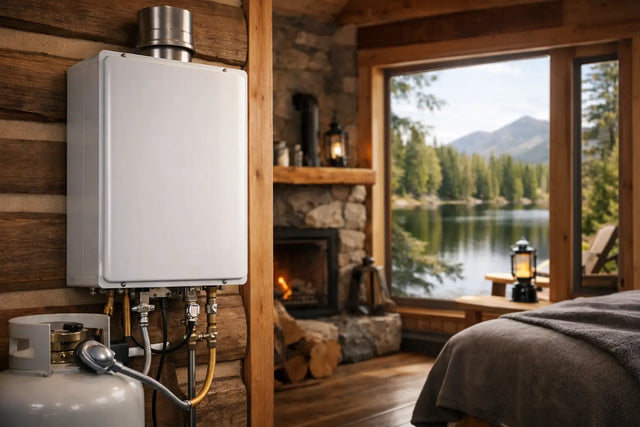
That is where the term can get a little blurry. A home with solar panels that still depends on the utility grid is not fully off grid. A cabin with its own solar generator, water storage, and propane hot water system probably is. An RV that can run for days or weeks without hookups is living off grid for that period, even if it reconnects later.
So if you are asking what does off grid living mean for your situation, the honest answer is that it depends on how much independence you want and what systems you are prepared to manage yourself.
The systems that make off-grid living work
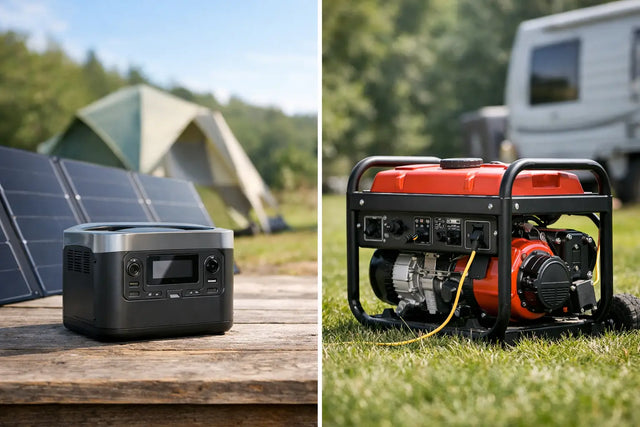
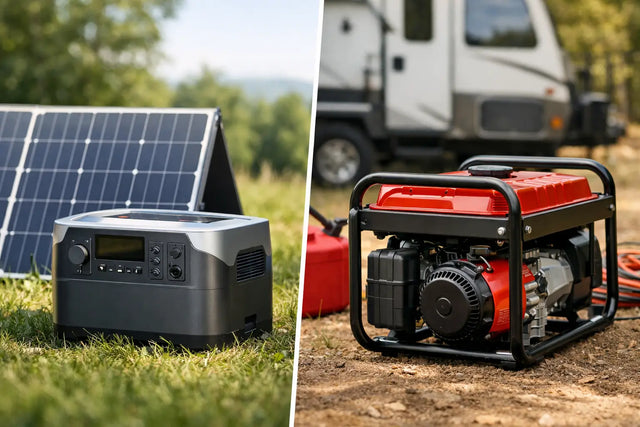
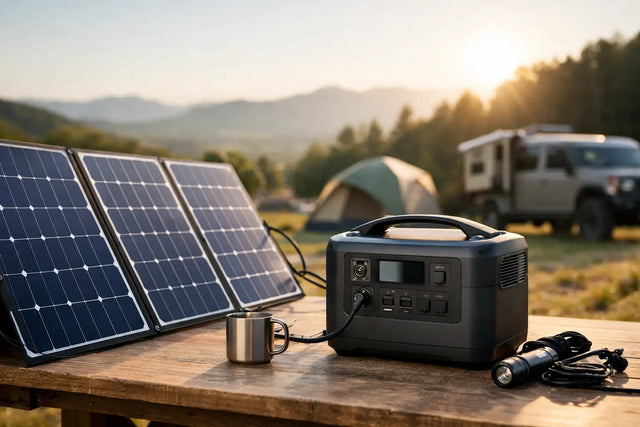
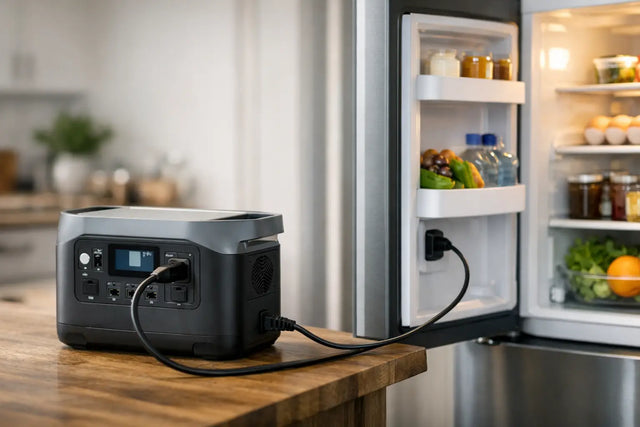
Electricity gets the most attention because it affects almost everything else. Lights, refrigeration, communications, water pumps, and charging devices all depend on a stable power source. Off-grid power systems typically rely on some combination of solar panels, battery storage, inverters, and backup generation. The goal is not just to create electricity during the day. It is to have dependable power when the sun is down, weather is poor, or demand spikes.
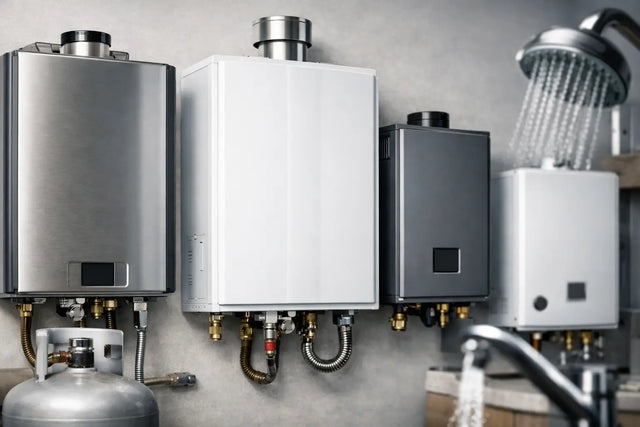
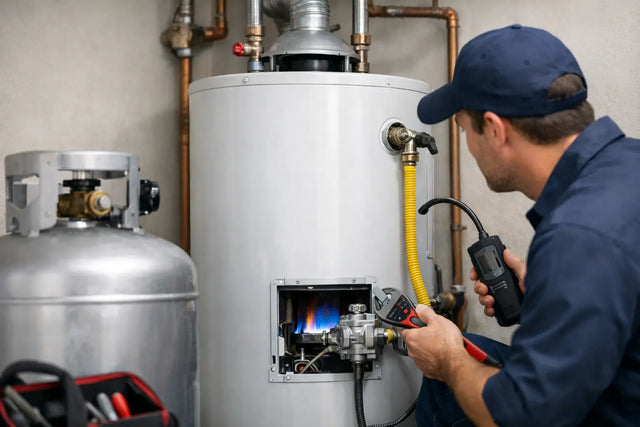
Water is the next major concern. If you are not connected to municipal water, you need a source and a plan. That may be a well with an electric pump, gravity-fed storage, delivered water, or rain collection where allowed. Then there is hot water. Many off-grid properties use propane water heaters because they reduce electrical demand while still providing a reliable daily utility.
Cooking and heating follow a similar pattern. Propane, wood, and other standalone fuel sources are common because they lessen the burden on the electrical system. Waste management matters too. Septic systems are common in rural settings, but local codes, soil conditions, and installation costs can vary a lot.
None of these systems are glamorous on their own, but together they define whether an off-grid setup is comfortable or frustrating.
Why people choose to live off grid
For some households, the decision is financial. Extending utility lines to a rural property can cost far more than building an independent system. For others, the motivation is preparedness. Grid outages, storms, and infrastructure disruptions have made more people think seriously about energy security and backup capability.
There is also the appeal of control. When you manage your own power and water, you are less exposed to rising utility rates, service interruptions, and outside failures. That does not mean life becomes easier in every way. It means your reliability comes from planning ahead instead of assuming the system around you will always work.
Some people also choose off-grid living for lifestyle reasons. They want a simpler setup, fewer recurring utility bills, or the freedom to use remote land more comfortably. But even then, the practical side matters most. Independence feels good, but only if the system is sized properly and built with real daily use in mind.
The trade-offs most people underestimate
Off-grid living can be rewarding, but it is not magic. The biggest trade-off is responsibility. When the power system is yours, there is no utility company to call because your batteries are undersized or your loads are too high. If water storage runs low, you need a plan before it becomes a problem.
There is also a learning curve. You do not need to become an engineer, but you do need to understand the basics of electrical load, battery capacity, charging conditions, and seasonal performance. Solar production in July is not the same as solar production in December. A setup that works fine for weekend cabin use may struggle under full-time household demand.
Comfort expectations matter too. Some off-grid homes feel almost identical to grid-connected homes. Others require more active management. You may need to stagger appliance use, monitor battery levels, or adjust habits during cloudy weather. That does not make the lifestyle worse. It just makes it more hands-on.
Upfront cost is another real consideration. Off-grid systems can save money over time or avoid utility hookup expenses, but dependable equipment is still an investment. Cheap components that fail when you need them most usually cost more in the long run.
What off-grid living means for beginners
If you are new to the idea, the best way to think about off-grid living is not escaping modern life. It is building a reliable support system for it. Start with your actual needs. What do you need to power every day? What can run on propane instead of electricity? How much water do you use? Are you planning for a weekend cabin, a backup system at home, or full-time independent living?
The right setup grows from those answers. A small portable power system may be enough for communication devices, lights, and basic emergency use. A larger solar generator and battery bank may support a cabin, workshop, or RV. A full residential off-grid system needs much more planning because every daily habit affects system performance.
That is why a no-nonsense approach works best. Size the system for real usage, not wishful thinking. Build in backup. Expect weather variability. Choose equipment that is dependable and easy to support. Radiant Ridge Supply serves customers with that same mindset because self-reliance only works when the gear behind it can be counted on.
Is off-grid living right for everyone?
Not always. Some properties, budgets, and lifestyles are a natural fit. Others are better served by a hybrid approach that combines grid service with backup power and independent utility options. There is no prize for doing more than your situation requires.
What matters is matching the level of independence to the level of responsibility you are ready to carry. For one person, that means a fully off-grid homestead. For another, it means a storm-ready home with backup power, solar charging, and propane hot water. Both are valid if the goal is greater resilience and fewer points of failure.
Off-grid living means taking ownership of the systems that keep life moving, then building them well enough that you can trust them when conditions are less than ideal. That kind of independence is not about proving something. It is about being ready, staying comfortable, and knowing your home or property can keep working when the grid cannot.