Why Is Off Grid Living Illegal in Some Places?
Why Is Off Grid Living Illegal in Some Places?, when the whole point is to be more self-reliant, not less responsible. It feels backward at first. If you can generate your own power, collect your own water, and manage your own property, why would a county or city object?
The short answer is that off-grid living usually is not illegal by itself. What gets restricted is the way a home is built, powered, supplied with water, and connected to waste systems. In many parts of the US, the law is not trying to ban independence. It is trying to enforce standards for safety, sanitation, land use, and public infrastructure. That distinction matters, especially if you are planning a cabin, backup-ready homestead, or full-time off-grid property.
Why is off grid living illegal in some areas?
In most cases, local governments are not saying you cannot live independently. They are saying your property still has to meet certain minimum requirements. Those requirements vary by state, county, and municipality, which is why one off-grid setup can be perfectly legal in one area and a code violation in another.
The biggest factor is local control. Building codes, zoning rules, septic approvals, water access laws, and utility requirements are often handled at the county or city level. That means there is no single national answer. A rural county in one state may welcome owner-built cabins with solar power and propane appliances, while a suburban jurisdiction may require grid connection, permitted structures, and approved utility service before occupancy.
For buyers and landowners, the real issue is not whether off-grid living is legal in theory. It is whether your specific setup meets the rules where the property sits.
The real reasons off-grid homes run into legal trouble
Most legal problems come from one of five areas: zoning, building codes, water, wastewater, and utility mandates. These are practical issues, not philosophical ones.
Zoning laws decide what can happen on the land
Zoning rules govern land use. They can limit whether you can live on agricultural land, camp long-term in an RV, place a tiny home on a parcel, or build a cabin without a conventional residence. Some counties also set minimum home sizes, setbacks from property lines, road access requirements, and occupancy rules.
This is one reason people think off-grid living is illegal when the actual problem is that the structure does not fit the zoning classification. A small solar-powered cabin may be legal as a recreational structure but not as a primary dwelling. A parcel may allow seasonal use but not full-time residence.
Building codes focus on safety, not lifestyle
Building departments care about structural safety, fire resistance, egress, electrical standards, and livability. If you build without permits, use non-approved materials, or install wiring that does not meet code, the issue is the construction method, not the off-grid goal.
This is where many DIY projects get into trouble. A self-built home can be strong and functional, but if it was never inspected or permitted, the county may treat it as noncompliant. The same goes for solar and battery systems. You may be fully capable of powering your own home, but local code may still require approved components, proper disconnects, and inspections.
Water rules can be stricter than people expect
Water is one of the biggest legal barriers to full off-grid living. In some states, rainwater harvesting is limited or regulated. In others, drilling a well requires permits, testing, setbacks, or proof of legal water rights.
This surprises a lot of new land buyers. They assume that if water falls on their roof or sits beneath their land, they can simply use it. In practice, western states in particular may regulate water collection and groundwater use because water rights are tied to broader legal systems and competing needs.
Even when personal water collection is allowed, local health departments may still require a potable water source before a home can be occupied full-time.
Septic and sewage rules are often non-negotiable
If there is one area where counties rarely compromise, it is wastewater. Most jurisdictions require an approved septic system or sewer connection for a legal residence. Composting toilets may be allowed in some places, but often not as a complete substitute unless gray water disposal is also handled through an approved system.
This is a major reason people ask why is off grid living illegal. They may have land, power, and shelter, but without a permitted wastewater solution, the property may not qualify for legal occupancy. Health departments take this seriously because untreated waste affects groundwater, nearby properties, and public health.
Utility requirements can still apply
Some jurisdictions require homes to connect to available utilities, especially in developed areas. That does not always mean you must rely on the grid for all your energy, but it can mean a legal dwelling needs access to approved electric service, water service, or both.
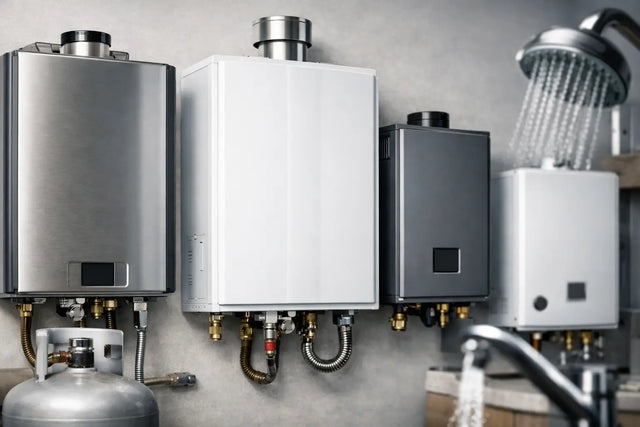
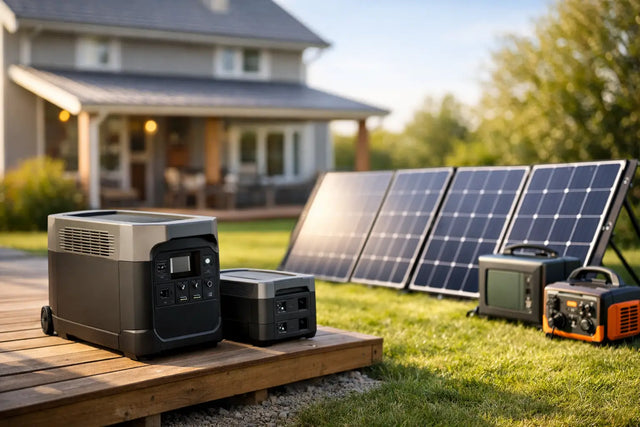
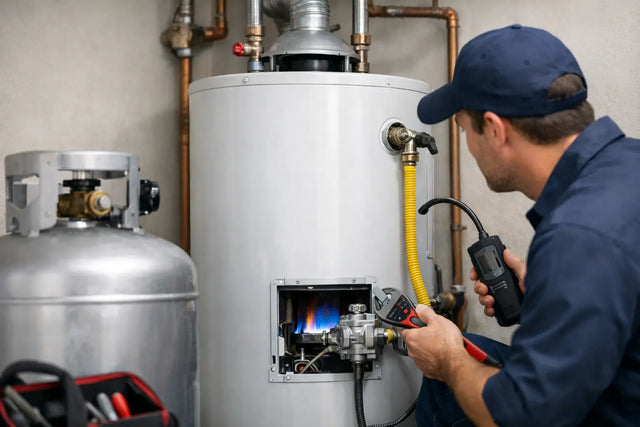
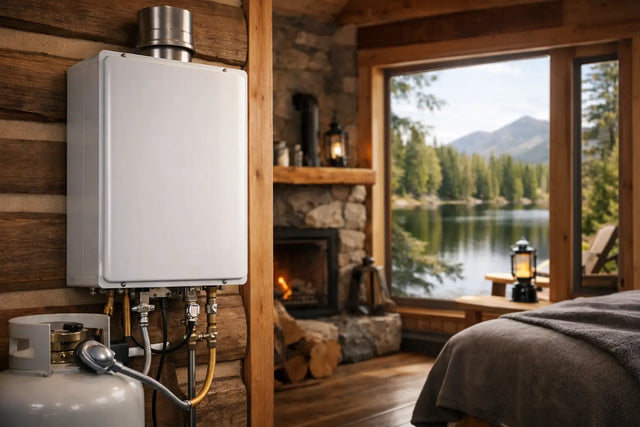
This requirement is more common in urban and suburban areas than in remote counties. It also tends to appear in places where local governments want consistency in housing standards and service access. So while a solar generator, battery bank, and propane water heater may be more than capable in real-world use, the local rulebook may still favor conventional utility connections.
Why local governments regulate off-grid living at all
It is easy to see these rules as anti-independence. Sometimes they do create unnecessary barriers. But from the government side, the reasoning is usually tied to liability and public welfare.
Officials do not always know whether an off-grid build is a well-planned, code-compliant homestead or an unsafe structure with faulty wiring, contaminated water, and no fire access. Regulations are their way of applying a baseline standard to everyone.
There is also a tax and infrastructure angle. Local governments fund roads, emergency services, inspections, and other systems through property development and utility frameworks. A home outside those systems can create enforcement challenges, especially if it is built quietly and occupied without approvals.
That said, not every restriction is equally reasonable. Some areas have modernized their codes to allow solar, battery storage, propane appliances, composting systems, and alternative structures. Others still operate with outdated assumptions that legal housing must look like a conventional grid-tied home.
Off-grid does not mean unregulated
This is the most useful mindset for anyone planning an independent setup. Off-grid living is often legal, but it is rarely regulation-free.
A practical off-grid property usually works best when it is designed around compliance from the start. That means checking zoning before buying land, confirming whether a parcel can be used as a full-time residence, verifying water and septic options, and understanding permit requirements for power systems and structures.
For preparedness-minded families, this matters beyond paperwork. A legal setup is easier to insure, easier to finance, easier to resell, and less likely to face forced changes later. Reliability is not just about having power during an outage. It is also about knowing your system can stay in place without legal surprises.
How to make off-grid living legal where you are
The best approach is straightforward. Start with the county, not the build plan. Before purchasing equipment or drawing up a cabin design, ask the planning and building departments what is allowed on that parcel.
You want clear answers on zoning, minimum dwelling size, RV or tiny home rules, water source requirements, septic approval, electrical permit requirements, and whether utility hookups are mandatory. Those questions tell you more than broad internet advice ever will.
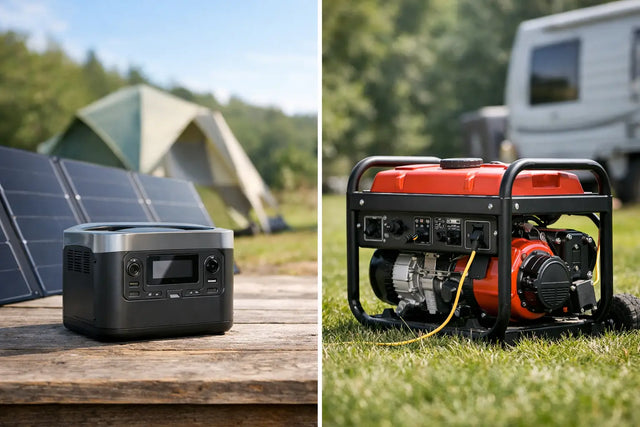
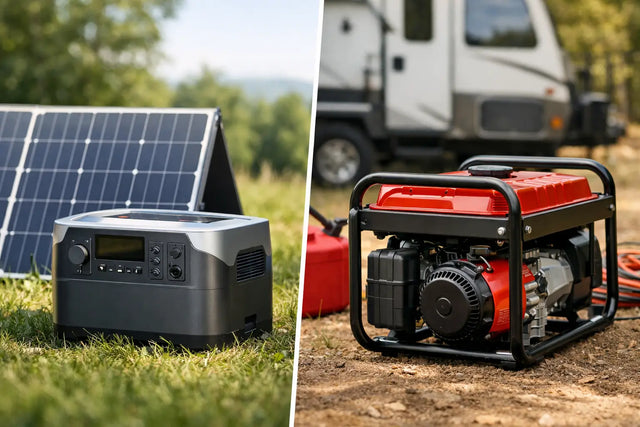
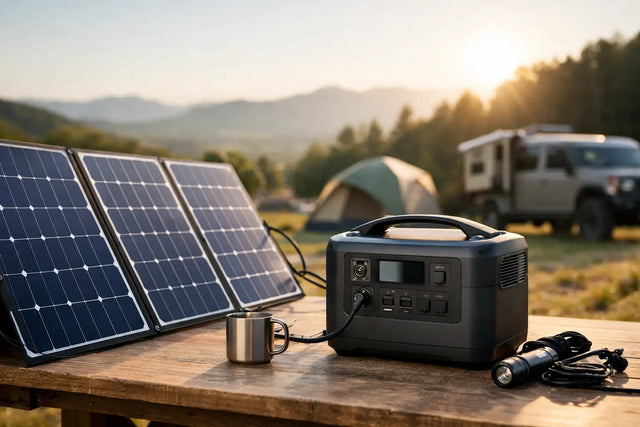
It also helps to think in systems. Independent power is usually the easiest part to solve. Solar panels, battery storage, backup generation, and propane appliances can create a dependable setup for many properties. The harder part is aligning those systems with legal requirements for occupancy and safety. In other words, your energy plan and your permit plan need to match.
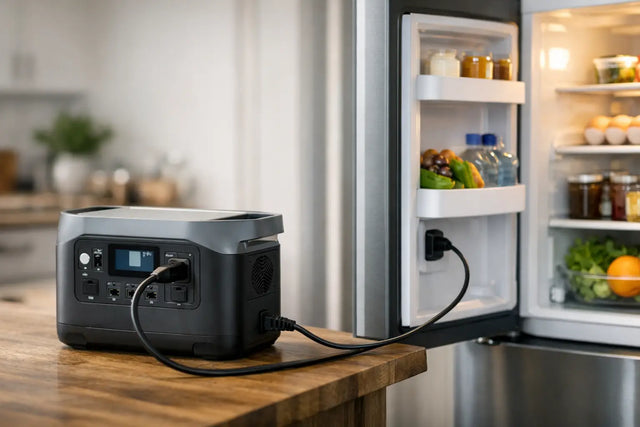
For many property owners, a hybrid approach makes the most sense. You may stay legally connected where required while still building strong resilience with solar backup, portable power, water storage, and off-grid-capable appliances. That may not fit a purist definition of off-grid living, but it often delivers the independence people actually want: less vulnerability, more control, and reliable performance when the grid goes down.
The better question to ask
Instead of asking why is off grid living illegal, ask what makes an off-grid property legal in the place you want to live. That question leads to better decisions and fewer costly mistakes.
The reality is simple. Most areas do not ban self-reliance. They regulate housing, sanitation, safety, and land use. If you understand that early, you can plan a property that gives you real independence without running into avoidable code problems.
A dependable off-grid setup starts with more than good equipment. It starts with a legal foundation you can build on with confidence.