9 Steps to Living Off Grid That Work
9 Steps to Living Off Grid That Work goes up. Not because the idea is unrealistic, but because people jump straight to products without mapping the systems that keep daily life running. The right steps to living off grid start with honest numbers, clear priorities, and equipment sized for the way you actually live.
For some households, off-grid means a full-time home with permanent solar, water storage, propane appliances, and backup power. For others, it means a cabin, RV, or rural property that needs dependable utility systems without a grid connection. The path is different in each case, but the logic is the same: build around reliability first, then convenience.
Step 1: Define what off-grid means for your property
Before you price equipment, decide what level of independence you want. A weekend cabin has very different needs than a family home, and an RV setup is different again. If you only need refrigeration, lights, device charging, and occasional water pumping, your system can stay relatively lean. If you want air conditioning, electric cooking, workshop tools, or whole-home heating support, the design changes fast.
This is where many beginners either overspend or undersize. A modest off-grid system can feel excellent when expectations match reality. A poorly planned one feels unreliable, even if the components themselves are solid. Start with your non-negotiables. Then separate them from the comforts you can add later.
Step 2: Audit your power use before you buy anything
Among all steps to living off grid, this one saves the most money. You need a realistic estimate of daily watt-hours and peak surge loads. That means looking at what you run, how long you run it, and which appliances start with a temporary surge.
A chest freezer, well pump, microwave, power tools, and mini split all affect system sizing differently. If you skip this math, you risk buying a battery bank that drains too quickly or an inverter that trips under load. A good power audit should answer three questions: how much energy you use in a day, how much power you need at one time, and how many days of reserve you want when weather turns against you.
Conservation matters here. LED lighting, efficient refrigeration, propane water heating, and careful appliance choices reduce the size and cost of the electrical system. Off-grid living is not just about generating more power. It is often about needing less of it.
Step 3: Build your energy system in the right order
People often think solar panels come first. Usually, they do not. Your energy system starts with the load calculation, then battery storage, then inverter capacity, then charging sources such as solar, generator input, or shore power backup.
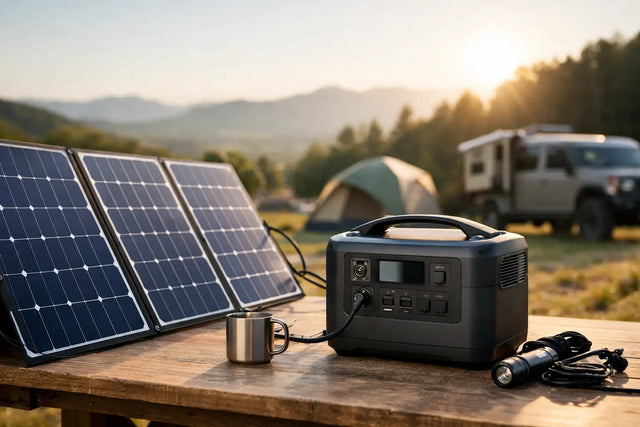
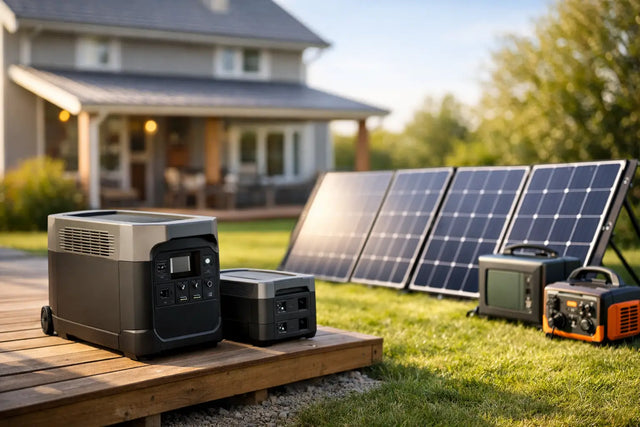
Battery storage is what carries you through the night and through bad weather. Inverter capacity determines what you can actually run. Solar production refills the system, but panel output varies by season, location, roof angle, shade, and cloud cover. That is why dependable off-grid power usually comes from a balanced setup rather than one oversized component.
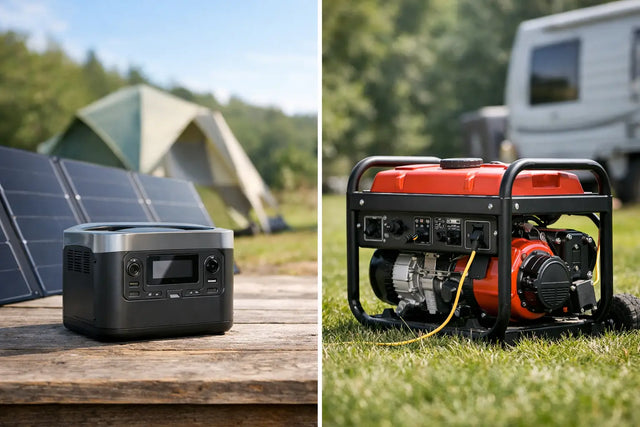
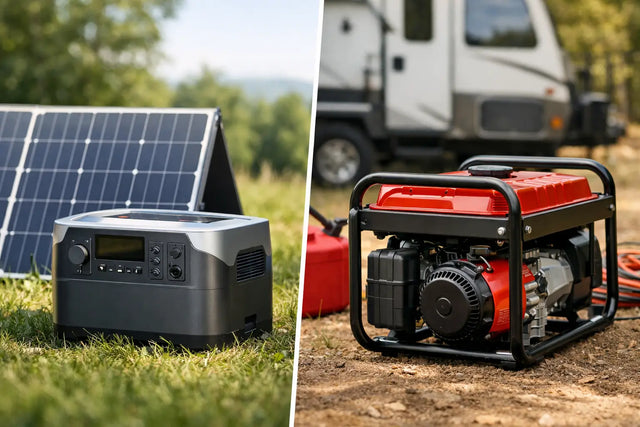
For many properties, the strongest design is a layered one: solar for daily charging, battery storage for quiet usable power, and a generator plan for extended low-sun conditions. That is not overkill. It is how you avoid being one stormy week away from a hard reset.
Step 4: Make water a primary system, not an afterthought
You can live through a power interruption more easily than a water failure. If your property has a well, understand the pump load, pressure requirements, storage options, and freeze protection needs. If you rely on hauled water, rain collection, or cistern storage, your filtration and tank sizing matter just as much as your electrical setup.
Water planning should cover drinking, cooking, bathing, sanitation, and seasonal changes. In colder regions, frozen lines and exposed tanks can create expensive problems fast. In dry climates, water conservation and storage become central to the whole property layout.
A practical off-grid setup often uses more than one layer of water security. That could mean stored potable water, filtration for secondary sources, and a way to move water even if your primary pump system is down. Redundancy is not glamorous, but it is what keeps a remote property functional.
Step 5: Choose heating and hot water with fuel flexibility in mind
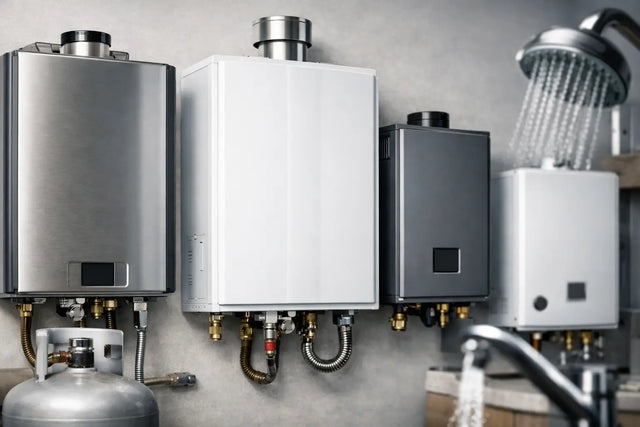
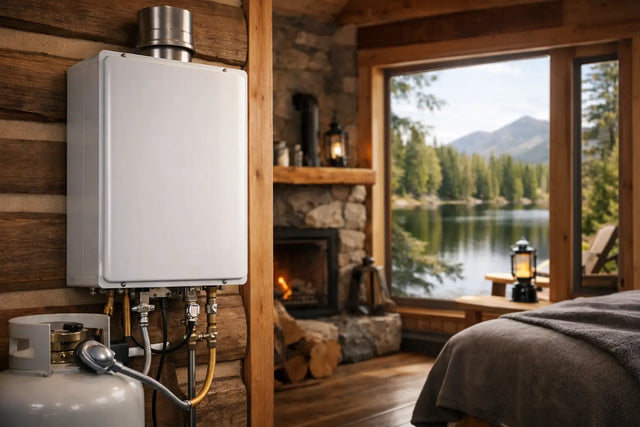
Heating is where many off-grid budgets get stretched. Electric heat is usually the wrong place to lean heavily unless you have an unusually large power system. Propane, wood, and high-efficiency direct-vent heating options are often more practical for year-round off-grid use.
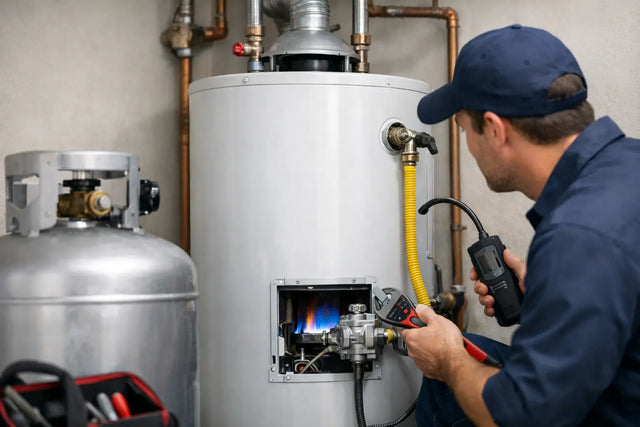
The same goes for hot water. A propane water heater can take a major electrical burden off your system while still giving you reliable daily comfort. That trade-off matters. Every appliance you move off electricity reduces the demand on your batteries, inverter, and solar array.
Fuel storage, refill access, and seasonal usage should all factor into your decision. A system that looks efficient on paper may be inconvenient if your property is hard to access in winter or if fuel deliveries are limited. Reliability is not just what works in ideal conditions. It is what stays workable in bad ones.
Step 6: Plan for shelter, weather, and site realities
Off-grid living is not only about utilities. It is also about how the property handles wind, storms, snow loads, heat, and access challenges. Solar performance can be affected by shade and roof orientation. Battery equipment needs proper housing and temperature protection. Water lines need insulation. Paths for fuel delivery, maintenance access, and emergency shelter matter more than people expect.
Your site may also push the design in one direction or another. A sunny open property may favor larger solar production. A wooded lot may need more battery reserve and backup generation. A storm-prone area may justify hardened storage, covered equipment placement, or even a storm shelter depending on your risk profile.
This is one place where a no-nonsense mindset pays off. Build for your actual environment, not the one you wish you had.
Step 7: Start with a core system you can expand
Not every household needs a full buildout on day one. In fact, one of the smartest steps to living off grid is to install a core system that covers essential loads and leaves room to grow. That may mean starting with lighting, refrigeration, communications, water pumping, and a few outlets, then adding capacity later for comfort items.
Expandable systems reduce pressure on the initial budget and give you real-world usage data before you scale up. After a few months, you will know whether your battery reserve feels generous or tight, whether your panel production matches expectations, and whether certain appliances belong on propane instead of electricity.
This phased approach also lowers the risk of buying impressive equipment that does not solve your most urgent problem. Reliable basics beat oversized ambitions every time.
Step 8: Keep a backup plan for every critical function
The off-grid mindset is not just independence from the utility company. It is independence from single points of failure. If the inverter goes down, what still works? If snow covers the panels for two days, what is your charging plan? If a pump fails, how do you access water?
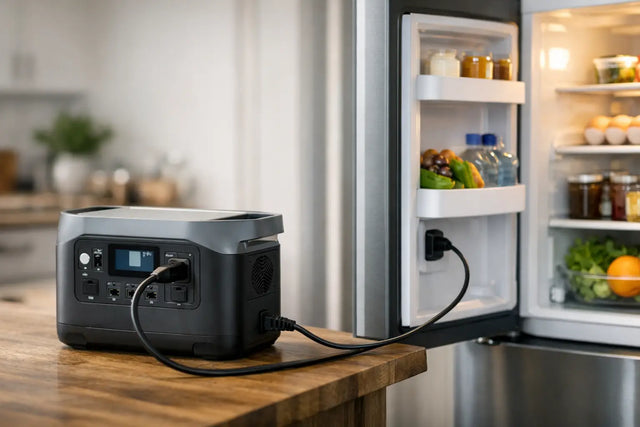
Every critical system needs a fallback. For power, that may be a generator or a portable power station. For water, it may be stored reserves and filtration. For cooking, it may be propane. For safety, it may be communications backup, weather protection, and secure fuel storage.
Preparedness is what turns an off-grid property from a fragile setup into a dependable one. That is why experienced buyers usually care less about flashy specs and more about how a system performs when conditions are less than ideal.
Step 9: Buy for support, compatibility, and long-term use
Off-grid equipment is not a place to gamble on unknown compatibility or weak support. Batteries, inverters, solar inputs, transfer options, and appliance demands all need to work together. Even strong components can become a headache if the system is pieced together without a plan.
Look for equipment that fits your use case and leaves you with room to service, expand, or troubleshoot later. Recognized brands, clear specs, and dependable customer support matter because off-grid systems are practical infrastructure, not impulse purchases. That is also why many customers prefer a retailer that focuses on power security, preparedness, and proven utility products rather than general outdoor gear. Radiant Ridge Supply serves that kind of buyer: someone who wants confidence in the equipment before it is tested by weather, distance, or outage conditions.
The best off-grid setup is rarely the most complicated one. It is the one that covers your essentials, respects your budget, and keeps working when the grid is not an option. Start with the loads that matter most, build around dependable systems, and give yourself enough backup to sleep well when the forecast turns ugly.